AbouT
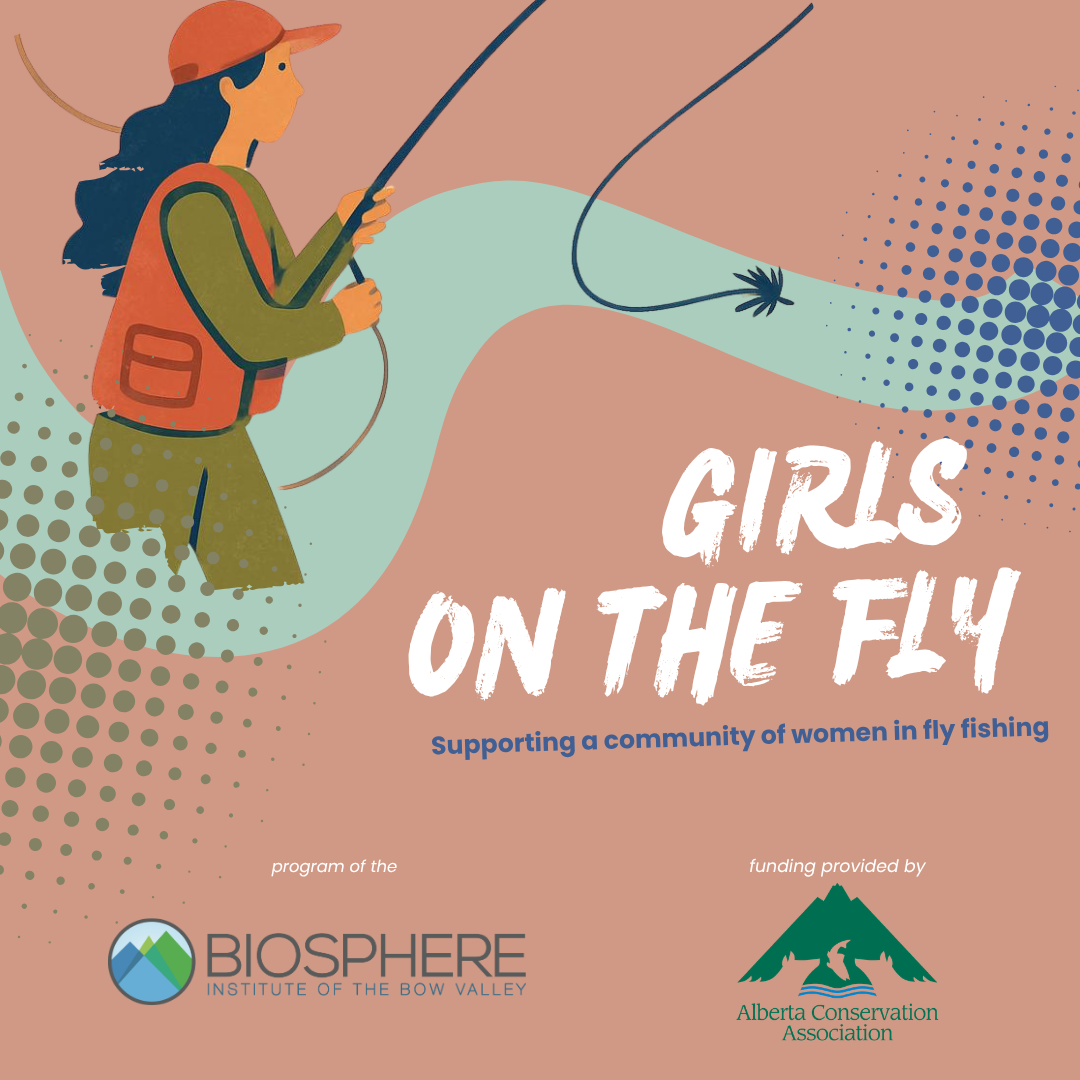
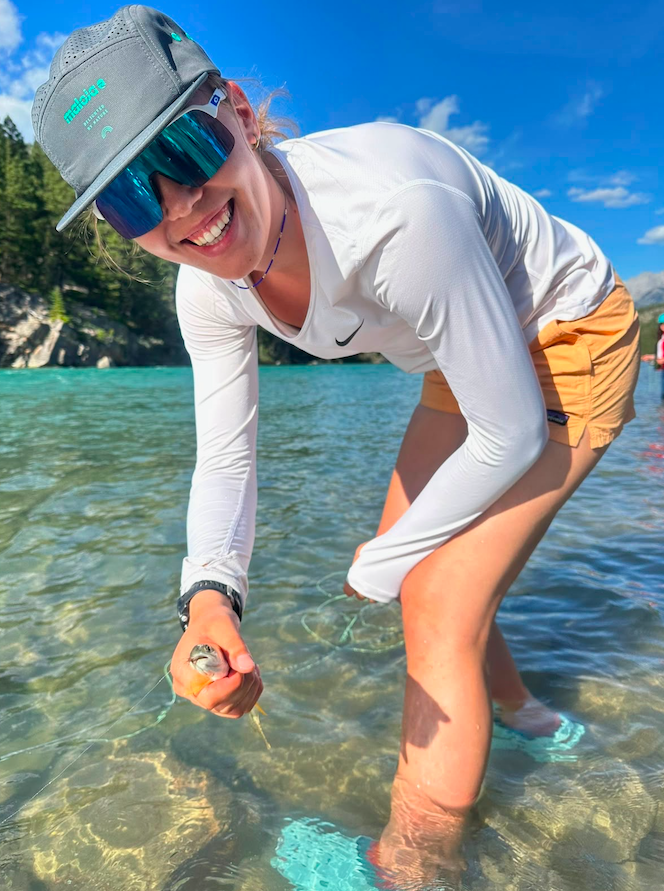
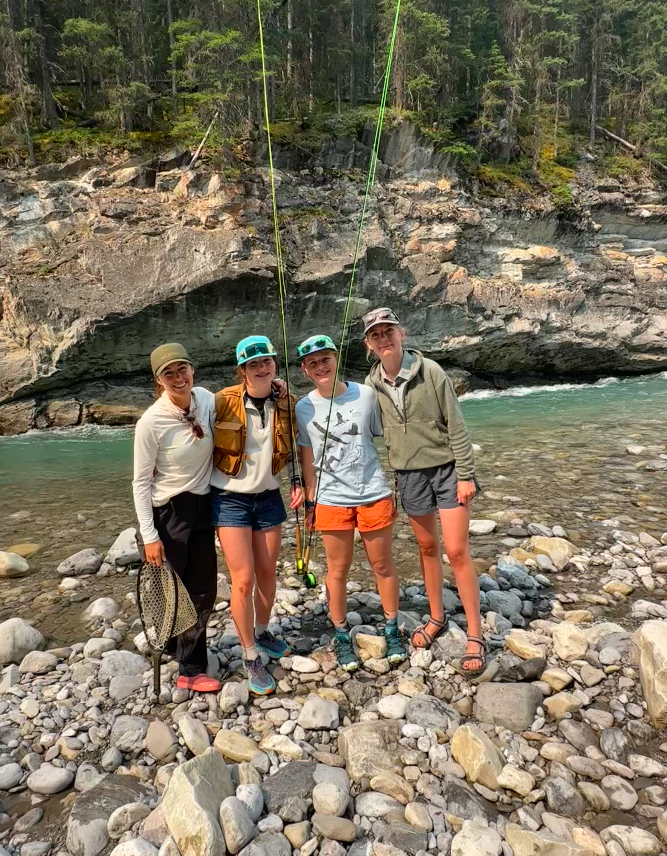
Piloted in the summer of 2026, the Girls on the Fly program is all about supporting a community of women around the sport of fly fishing. The program recruits 10 young women participants ages 14-18yrs as well as women mentors who live in the Bow Valley.
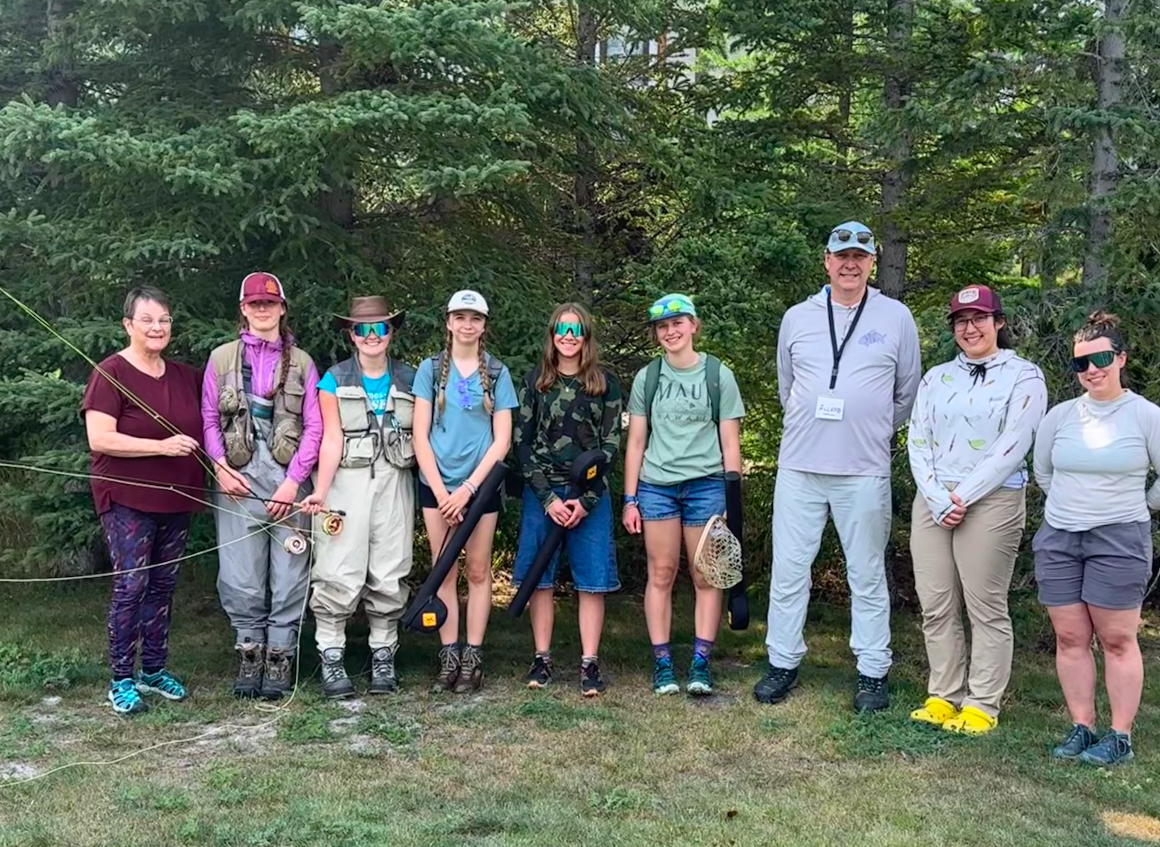
We are working hard to secure funding and offer this program in July-September 2027.
Participants receive formal instruction in the Bow Valley on nearby standing and moving water from experienced women in fly fishing, access to Mentor contacts and a free 5ft 9wt fly rod and reel kit.
The program does not currently cover costs associated with fishing licences.
The program has 3 components:
Formal fly fishing instruction: participants will learn the fundamentals of casting, trout food and fly tying, from Lynda McLennan, an experienced fishing instructor for over 40yrs. There are two 3-hr instruction sessions (one in July, one in August) to provide the fundamental training to cast, select and tie flies and read the water.
Mentor meet-ups: participants are provided a list of women who are volunteering their time and expertise as Mentors. Participants are encouraged to reach out on to a Mentor or Mentors of their choosing to setup a time and place to go fishing together.
Habitat restoration action projects: participants are encouraged to join the habitat restoration projects with Freshwater Conservation Canada (August) and Parks Canada (September) to learn about freshwater ecosystems, repair Beaver Dam Analogs and support revegetation planting in riparian areas.
Who is involved?
Lynda McLennan (she/her) and co-instructors: Lynda and her co-instructors bring decades of experience and have taught thousands of beginners the “ins and outs” of fly fishing. Lynda began fly fishing in the 70’s and she’s still hooked! Coming to the Bow Valley from Black Diamond, Alberta, Lynda and her co-instructors will teach the participants about fly casting and trout food as well reading water and fly fishing techniques.
Caitlin McArdle (she/her): EMS Paramedic and Banff local who unwinds from her day with focused casts on the river.
Chelsea Mackenzie (she/her): Strength Trainer and new mother, she’s been fishing since 2015 and loves being in nature while solving the puzzle of how to catch a fish!
Freya Widmer (she/her): Massage Therapist and Banff local whose passion and talent for fly fishing is contagious!
Logan Ross (she/her): She lives on the banks of the Bow River in Dead Man’s Flats and is a wealth of both practical and industry knowledge relevant to fly fishing! She is an outdoor brand founder and marketing producer as well as a mom of 2.
Rebecca (Bexx) Ferri (she/her): Bexx is an incredible force of nature. From rocks and snow to ice and rivers, she has is passionate about fly fishing and experience as a guide. Maybe you recognize her as the fun host of Radical Reels at the Banff Mountain Film Festival?!
Tatum Monod (she/her): a true Banff Local (we share her with Pemberton), Tatum is not only a professional freestyle skier and fly fishing guide, she is passionate about sharing her experiences. When she’s not busy guiding, Tatum will join in to mentor participants.
Racquel Deveau (she/her) - Program Coordinator, Environmental Educator with the Biosphere Institute. Want to learn more about the program? I’m happy to answer your questions.
Program Supporters
Program is funded by Alberta Conservation Association
Program is hosted by the Biosphere Institute of the Bow Valley
Fish Tales Fly Shop - Possibly better known as “Calgary’s friendlist fly shop”, we are grateful for the support from Nancy and Dave to help participants fill in their fly fishing gear needs
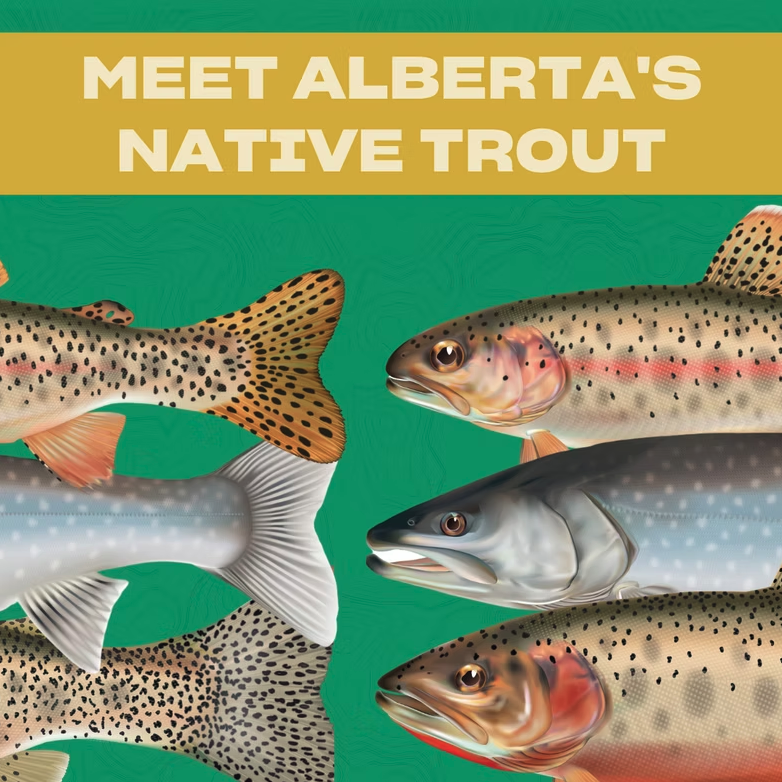
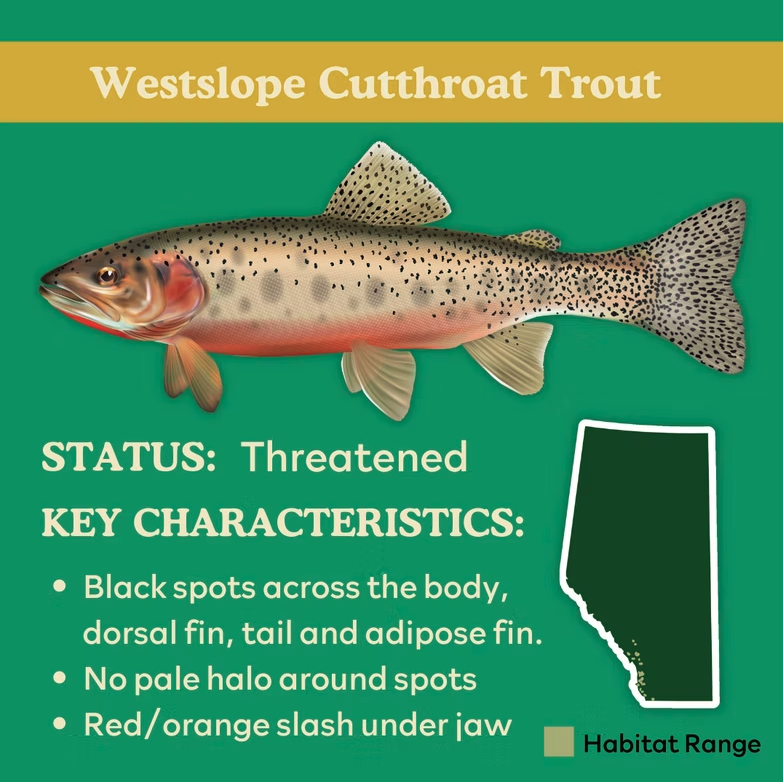
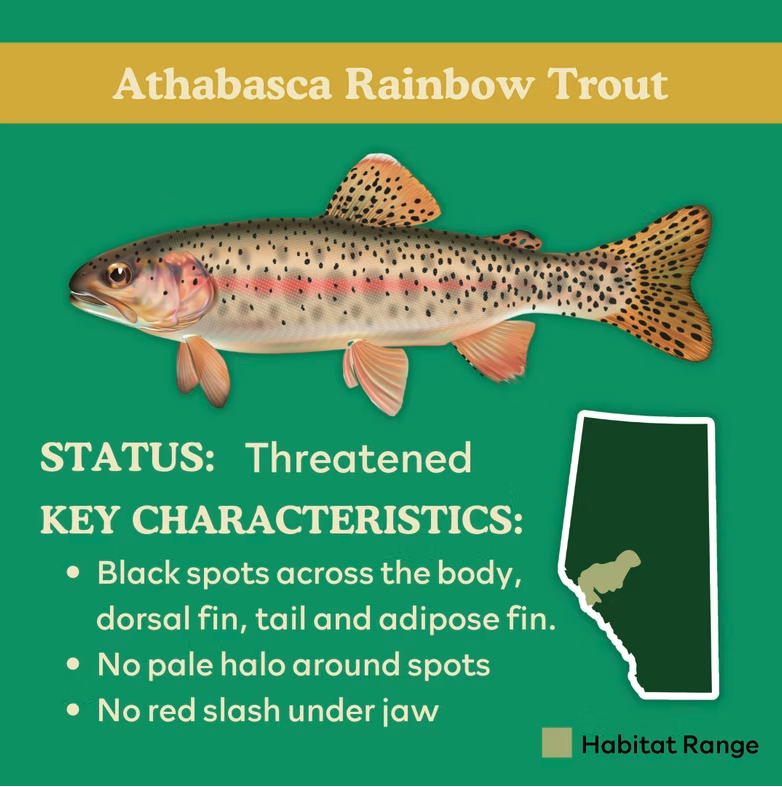
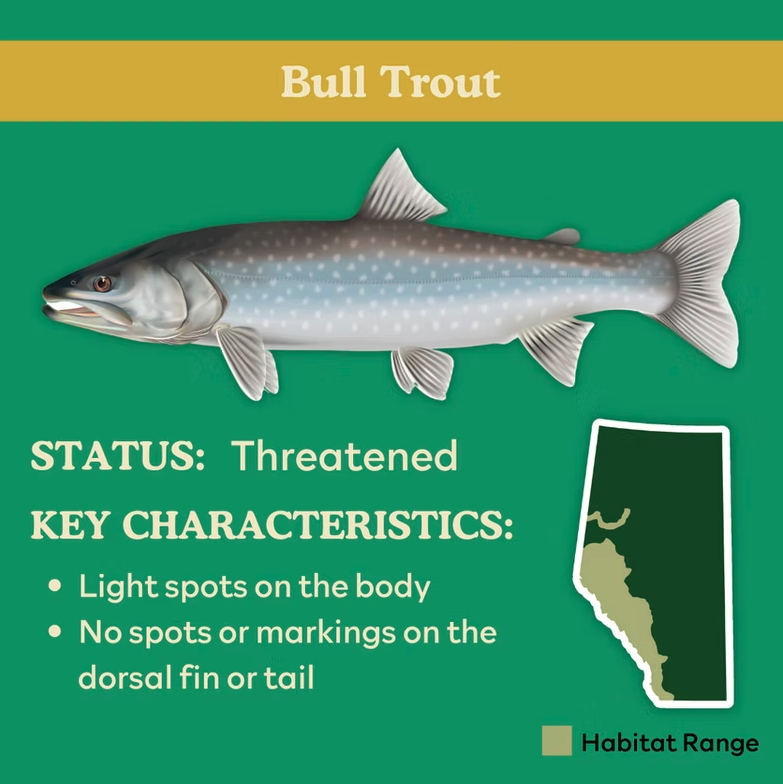
Fresh Water Conservation Canada - Participants are invited to join Fresh Water Canada staff in August (date tbc) to repair their beaver dam analog infrastructure in the Waiprous area that support fish species such as Athabasca Rainbow Trout, Westslope Cutthroat Trout and Bull Trout.
Parks Canada - Banff National Park: Participants will join the efforts of Parks Canada staff to restore Westslope Cutthroat Trout habitat near the Cascade Ponds
Wapiti Sports - local experts in guiding and all things fly fishing
When is this happening?
We aim to open registration in June 2027. Stay tuned for more information.
July: Instruction in Canmore from Lynda Mclennan on casting basics (on land), trout food, fly tying and fly selection. Participants will receive their fly rod setup in July and an information package about our program Mentors. Participants are responsible for acquiring a relevant fishing license and contacting a Mentor.
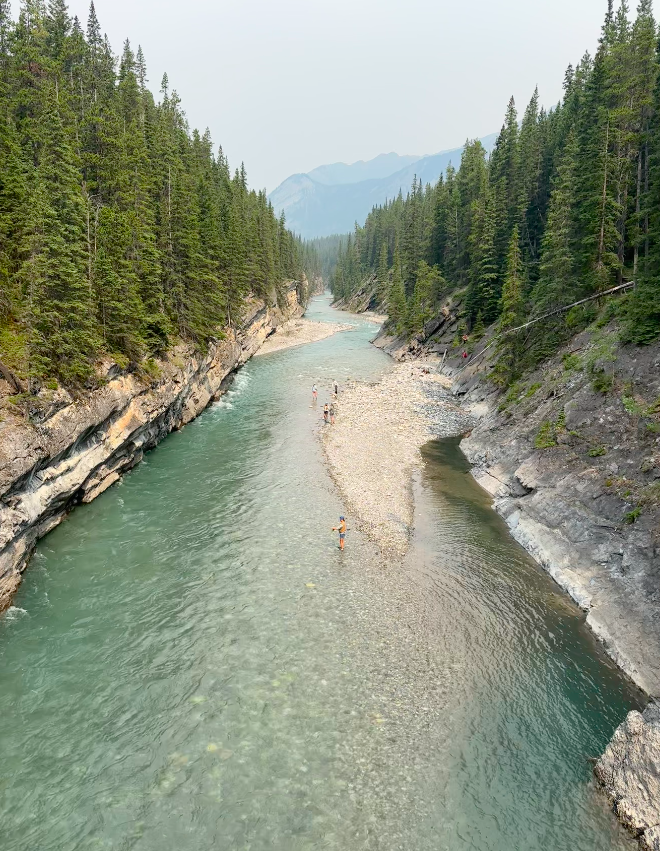
August: We will again join together with Lynda and her co-instructors. This time, instruction will be applied to river water on the Bow near Canmore. Additionally, participants are invited to volunteer in the Waiparous watershed with Freshwater Conservation Canada. Participants are encouraged to continue reaching out to Mentors to apply their learning.
September: We will join Parks Canada staff to plant willows and vegetation along Cascade Creek in Banff National Park while learning about the Westslope Cutthroat Trout reintroduction efforts. Wrap-up picnic in Banff at the Cascade Ponds.
How do the mentor and participant meet ups work?
As part of this program, participants may choose to be introduced to a volunteer female Mentor who has offered to volunteer her time to share her interest in fishing through informal outings. The Biosphere Institute’s role is limited to facilitating the introduction, connecting contact information and availability. Any fishing outings that occur after the introduction are arranged directly between the Participant’s Parent/Guardian and the volunteer Mentor.
Participation in these outings is entirely voluntary. Parents/Guardians are responsible for determining whether their child will participate by discussing and approving the details of the outing, including transportation, supervision, meeting locations, timing, and any other arrangements. The Biosphere Institute’s is happy to play an introductory role by recruiting, screening (background check, vulnerable sector check, reference check) and sharing contact information with the Mentor and Parent/Guardian. Please note, the Biosphere Institute does not supervise, direct, or monitor these independently arranged outings and is not responsible for activities that take place once families and mentors have made their own arrangements.
Both Mentors and Participants will fill in their availability in the sign up forms. Upon signing up, Mentors are Participants will also be required to sign a Code of Conduct to set behaviour and safety expectations in order to participate. The Code of Conduct also outlines respectful communication between Mentors and Parents/Guardian.
Working with the availability of Participants and Mentors, the Biosphere Institute will work closely with Parents/Guardians to recommend which Mentor(s) would best align with their child(ren)’s needs. We will use a shared Google Calendar and share Mentor Bio’s to make the process more transparent to Parents/Guardians.
We recommend meetups for fishing are in groups of 1-2 Participants with 1 Mentor.
Mentors and Participants are futhermore encouraged to join the our group meetups in July and August hosted by a professional teacher to review best safety practices and conservation ethic.
Our priorities are safety, accessibility and fun. If you have any questions, please be in touch!
How often to mentors and participants meet?
We recommend at least one meetup with the possibility of three outings between mid-July and end of September (e.g. 2-10+ hours). The frequency and duration of the meetups are up to the discretion and availability of both Participants and Mentors.
How do you choose a mentor?
The Biosphere Institute plays the role of soliciting, screening and connecting Mentor contact information and availability with Participants. Together with their parent/guardian, participants will view the mentors’ information and availability in a shared info package. All logistics are arranged directly between parent/guardian and mentor. Outings are entirely voluntary and more likely to succeed when the parent/guardian, participant and mentor have clear lines of communication and set expectations. Participants are not limited to one Mentor and encouraged to learn from more than one person! A Participant may, for example, reach out to more than one Mentor on numerous occasions or a Mentor may not receive any requests to go out fishing. The Mentor also reserves the right to decline, cancel and reschedule requests in accordance with the program’s Code of Conduct.
What is a habitat restoration project? What will we be doing?
August: The incredible staff of Fresh Water Conservation Canada are working hard to support fish habitat and water. The team have built a series of beaver dam analogs (see video below) in the Waiparous area to support fish habitat. These structures are in river beds and are made of logs, twigs and mud - they sometimes need repairing! Alongside learning from the staff about their efforts in fresh water conservation, we will roll up our sleeves and help out wherever needed! Equipment provided.
September: In Banff National Park, the Parks Canada fish and aquatics team work diligently to support the habitat and species reintroduction of Westslope Cutthroat Trout. The Cascade Creek in Banff is an important habitat area. We will visit the site, learn from Parks Canada staff about the threats, efforts and momentum of the reintroduction then do some willow planting to provide shade and bank stability along the banks of the creek.
How do we get to the Meetup locations?
The Biosphere Institute is not in a position to offer transportation to and from meetup locations at this time. Mentors and participants (their parents/guardians as relevant) are expected to be self-sufficient in travelling safely to destinations (and returning safely home!).
If you have transportation-related or general questions, please be in touch with Heidi education@biosphereinstitute.org