
ReUse Bow Valley
Keeping building materials and household items in use and out of the landfill.
ReUse Bow Valley is a pilot project that helps divert reusable construction, renovation, and demolition (CRD) materials from landfill and make them available to the Bow Valley community—free of charge.
Whether you're renovating, cleaning out a garage, or starting a new project, anyone can donate or pick up materials through the ReUse Bow Valley network.
Our goal is simple: make reuse easier in the Bow Valley.
post and browse available items online
We have two Facebook Groups dedicated to making reuse easier. Anyone can post and find items for free or at reasonable second-hand prices.
Building Materials Exchange — dedicated to construction, renovation and demolition materials.
Household Item Exchange — dedicated to furniture, large appliances and other reusable household items.
How to donate or post materials
You can share available materials in the Reuse Bow Valley Facebook Group by posting photos, dimensions, key details, and a description of the item's condition. Interested community members can then contact you directly to arrange pick-up.
When sold, please remove the item listing from the Facebook Group.
You can also bring materials to the ReUse Hub (Unit E7, 110 Bow Meadows Crescent, Canmore) during operating hours:
Thursdays: 3:00–6:00 p.m
Sundays: 10:00 a.m.–12:00 p.m.
We DO NOT accept drop-offs outside of operating hours. Please do not leave items outside of operating hours.
We accept only materials that fall within the ReUse Hub's accepted material categories and available storage capacity. We reserve the right to decline materials.
Not sure if your materials are accepted? Email reuse@biosphereinstitute.org with photos and a description, or bring them during operating hours. Our staff or volunteers can let you know whether the materials fit within the program's accepted categories.
Looking for free materials or items?
Browse available materials in the Reuse Bow Valley Facebook Group and arrange pick-up directly with the person offering them.
You can also visit the ReUse Hub during operating hours to browse and take available materials free of charge.
visit us in person at the Reuse Hub
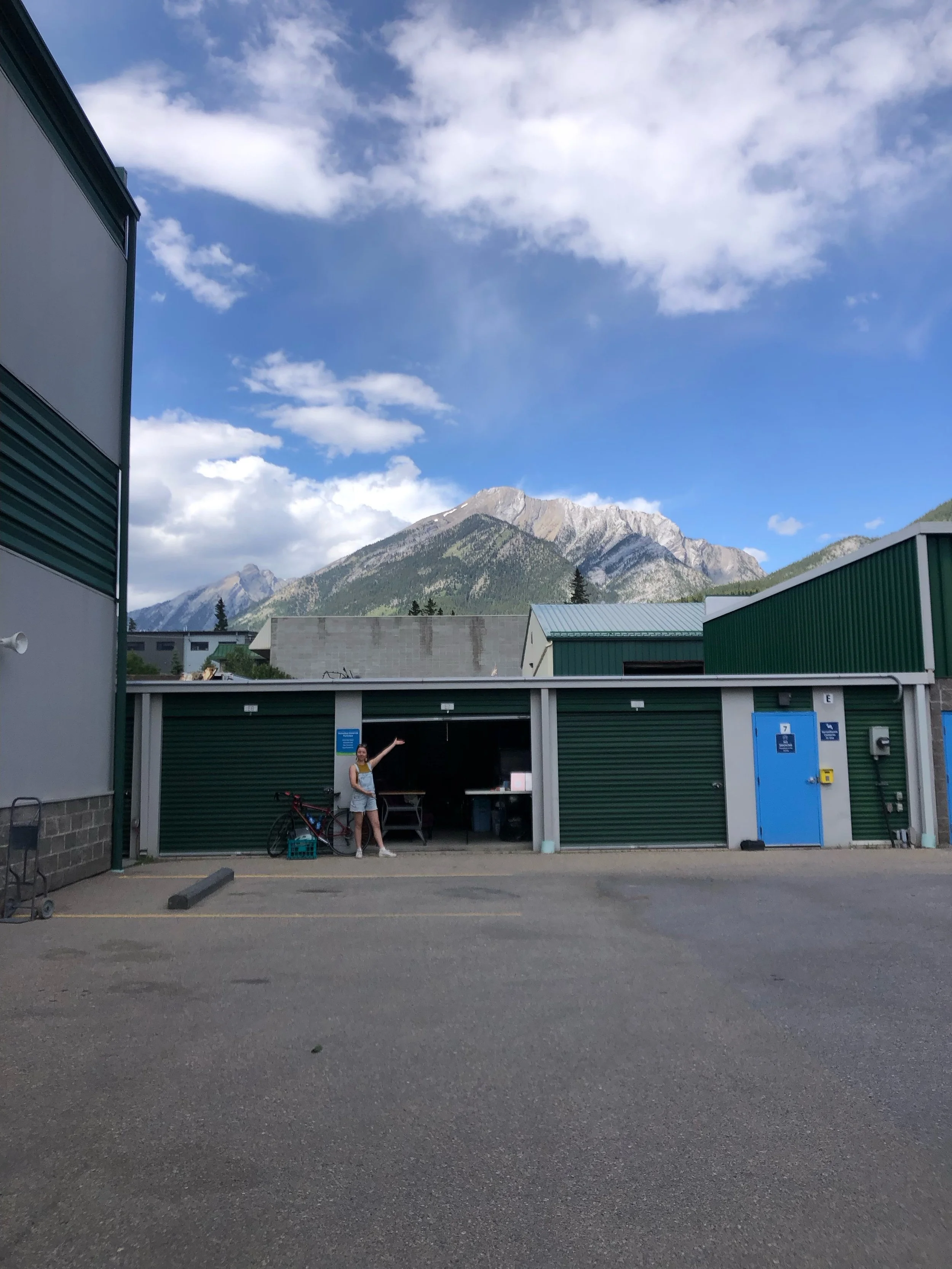
Unit E7, 110 Bow Meadows Crescent, Canmore
Thursdays: 3:00–6:00 p.m.
Sundays: 10:00 a.m.–12:00 p.m.
Hours are subject to change and may expand as additional volunteers join the program.
What items do we accept?
The ReUse Hub primarily accepts high-quality, reusable construction, renovation, and demolition (CRD) materials for home renovation and building projects.
We may also accept select household items on a case-by-case basis where they fit the program's scope and available storage capacity.
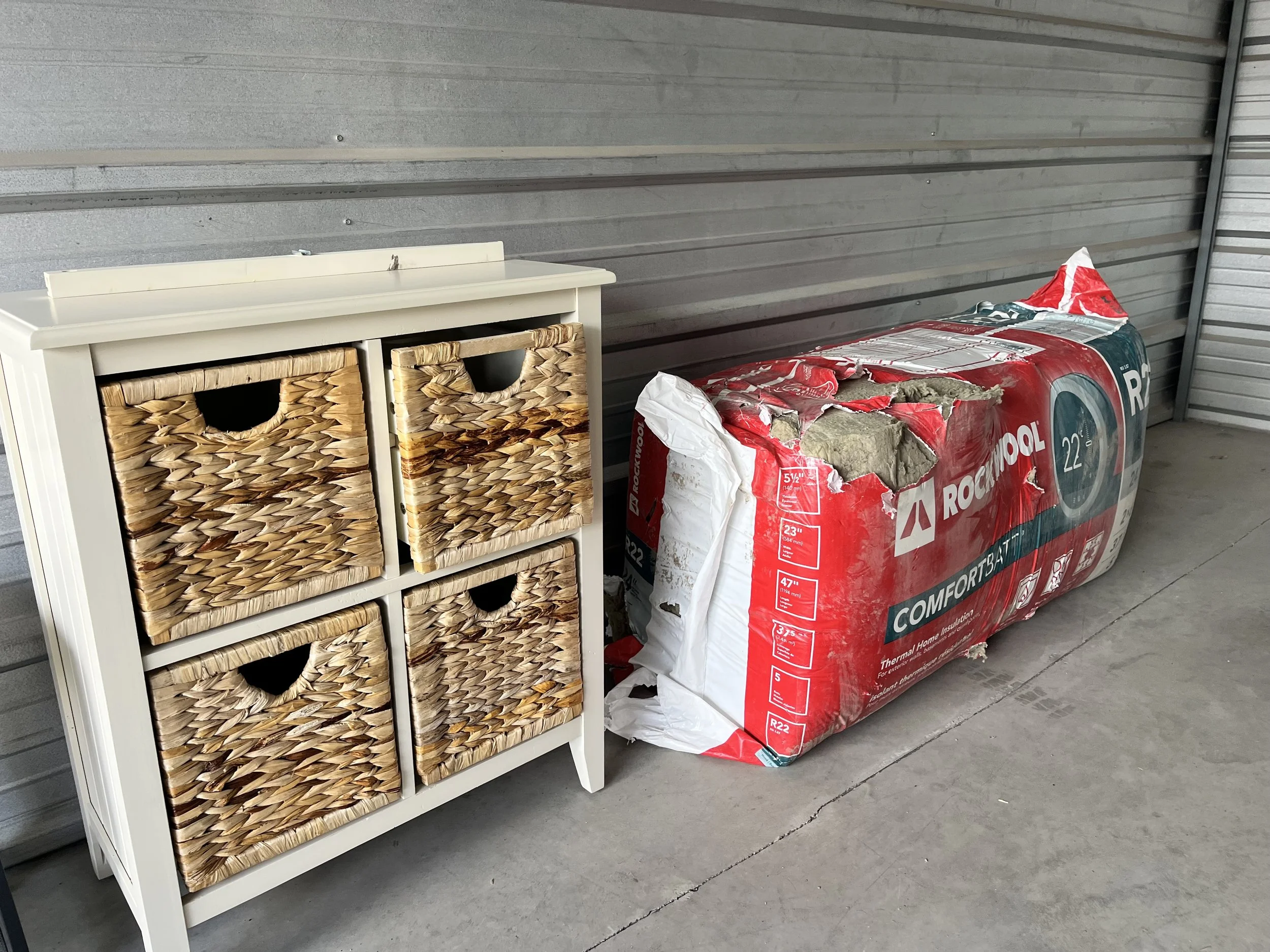
Priority items include doors, windows, millwork (kitchen cabinets, vanities etc.), flooring (tiles, vinyl, hardwood), roofing supplies, lumber (minimum 4ft), fixtures, and other durable construction or renovation materials that still have plenty of life left in them.
-
Carpet (100 sq ft or larger)
Complete, unopened boxes of prefinished wood and laminate flooring (75 sq ft or larger)
Area rugs
Vinyl flooring (25 sq ft or larger)
Floor tile in boxes (60 sq ft or larger)
-
Residential ducting, flashing, vents, fireplace inserts, furnaces, wood stoves
New fireplaces, new and used electric fireplaces
Unopened bags of insulation
-
Bricks and pavers free of mortar
Roofing, shingles and tar paper
New and used corrugated roofing
Fencing
We do not accept used vinyl siding or used asphalt shingles.
-
New, never installed light fixtures
-
De-nailed lumber, trim & siding (8ft or longer)
Sheets of plywood, MDF, drywall (½ sheet or larger)
-
Liquid latex paint in the original container with original labels
New, never installed wall tile in boxes (40 sq ft or larger)
New, unopened grout
-
Steel, white porcelain or cast iron sinks without cracks, chips or stains
New, never used or installed toilets
Bathroom fixtures or hardware
New or used metal bathtubs
New fibreglass tubs
Clawfoot tubs
-
Residential interior & exterior doors in good, clean condition
Bi-fold doors
Clean, residential PVC
Shutters
Used windows 5 years old or newer
*No commercial doors
-
Hand and power tools with all parts
No bad batteries
Need delivery?
If you have items to donate that we would like to accept and can’t give it away on your own, we will pick them up for FREE.
If you would like an item delivered to you, Flying Pigs offers scheduled pickup and delivery services at the following hourly rates:
Single-person jobs – $138/hr
Includes one driver for items that can be safely handled by a single person.Two-person jobs – $173.25/hr
Includes a second team member for larger, heavier, or more difficult items requiring additional assistance.
All pickups and deliveries are by appointment and subject to availability, with services typically scheduled on Wednesdays.
If you would like to arrange a pickup or delivery, please reach out to check availability and schedule an appointment. Whenever possible, we kindly ask for approximately one week’s notice to help us coordinate scheduling smoothly.
Use at Your Own Risk
The Biosphere Institute of the Bow Valley facilitates the redistribution of donated materials but does NOT inspect, test, certify, repair, or guarantee the safety, quality, condition, or suitability of any materials. Materials are accepted into the ReUse Hub based only on whether they fall within the program's accepted material categories and available storage capacity.
All materials are provided free of charge, as is, and are accepted and used at the recipient's own risk. Anyone donating, transporting, receiving, or using materials is responsible for determining whether they are appropriate and safe for their intended use and for transporting and handling them safely.
Please be respectful, honest, and community-minded. The goal of ReUse Bow Valley is to extend the life of usable materials, reduce waste, and help keep valuable resources out of the landfill.
What if we cannot accept your items?
There are many existing reuse initiatives across the Bow Valley. If we are unable to accept your item, consider the following options:
Crossway Community Thrift: Donation drop-off is Tuesday to Saturday from 10:30am-4:00pm.
Facebook Marketplace: Consider selling or giving away your item on Facebook Marketplace, Kijiji, Craigslist. or any other online platform. Pass it on is a free network on Facebook for giving away or passing on your local items.
If you are unable to find a way to reuse the item, you can dispose of it through the municipalities’ free pickup service to be sent to the landfill:
Large Item Pickup (Town of Canmore): The Town of Canmore offers a large item clean up program for residential addresses. The service is offered Monday to Friday in summer months and Monday to Wednesday in winter months with the exception of statutory holidays. Click here to learn more about this service.
Large Item Pickup (Town of Banff): The Town of Banff offers a large item pickup for residents of Banff. Click here to learn more and schedule a free pickup.
Have books, sports gear, clothing, household items, or non-perishable food to donate? Many local organizations across the Bow Valley accept reusable items and community donations. Explore the more detailed list below to find the best fit for your items.
More broadly, learn more about various circular economy initiatives and projects across the Bow Valley by exploring our interactive map.
Why does the Bow Valley need this?
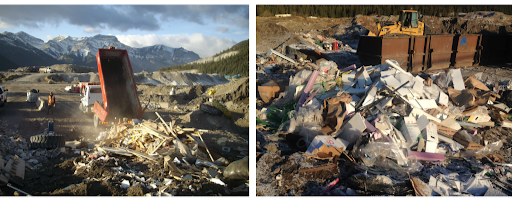
The Bow Valley is facing three big challenges: affordability, waste, and lack of space. All of these challenges are connected. Every year, over 7,000 tonnes of waste go to the Francis Cooke Landfill. Much of it is still usable.
Landfill space is running out. The Francis Cooke Landfill is expected to reach capacity within 30 years. There is no room to expand and no nearby alternatives. With Canmore expected to grow significantly, we must reduce what we bury.
Right now, there is no coordinated system to keep these materials circulating locally. Our project aims to change that.
-
Canmore has the highest living wage in Canada
Families, newcomers, and workers struggle to afford basic household and building materials
-
Over 7,000 tonnes of waste go to the Francis Cooke Landfill every year
Much of it is still usable — like lumber, flooring, doors, and furniture
For example, entire loads of furniture from hotels and renovations are routinely discarded
-
The Francis Cooke Landfill is expected to reach capacity within 30 years
There is no room to expand and no nearby alternative
With Canmore expected to grow significantly, we must reduce what we bury

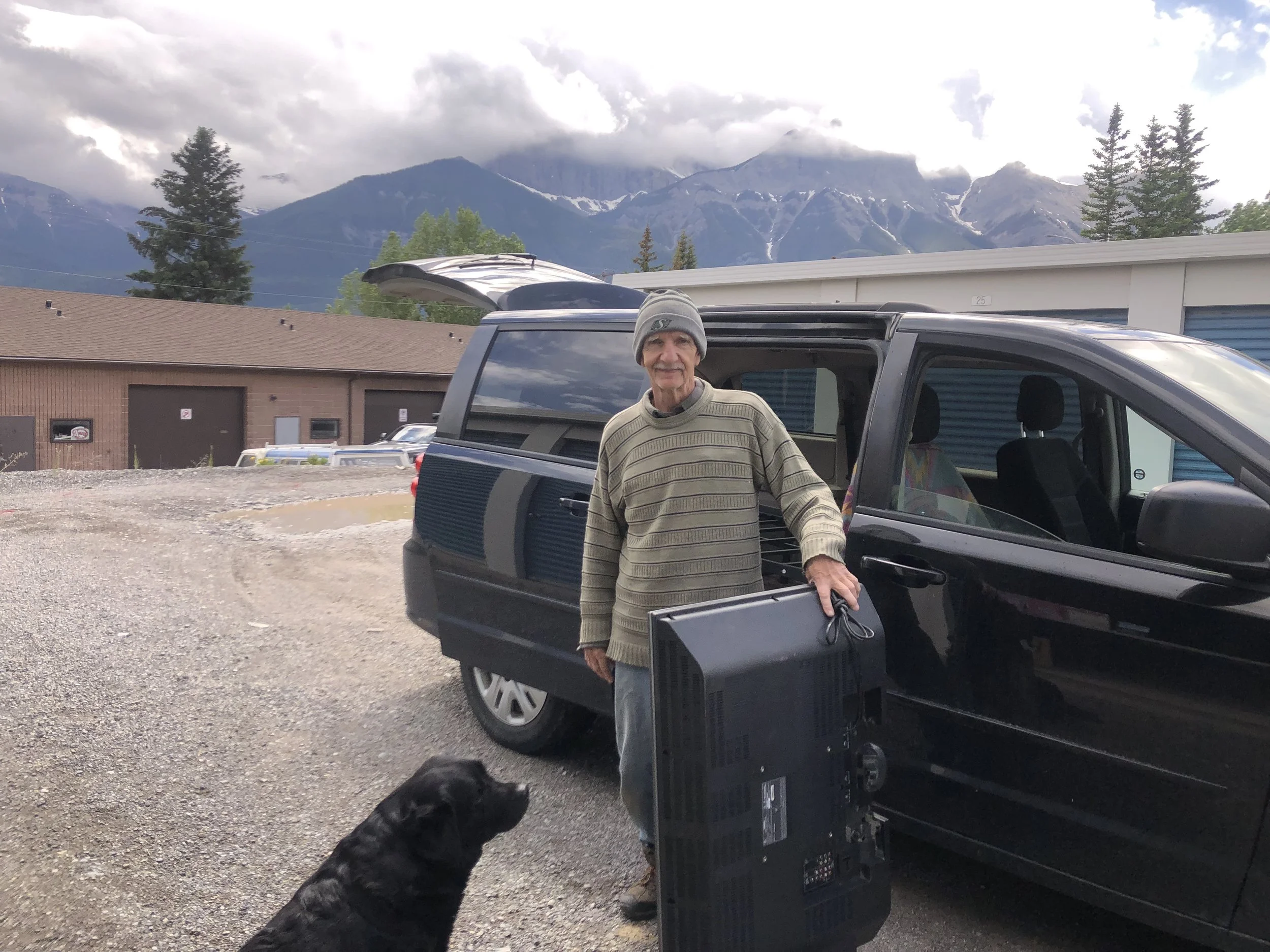
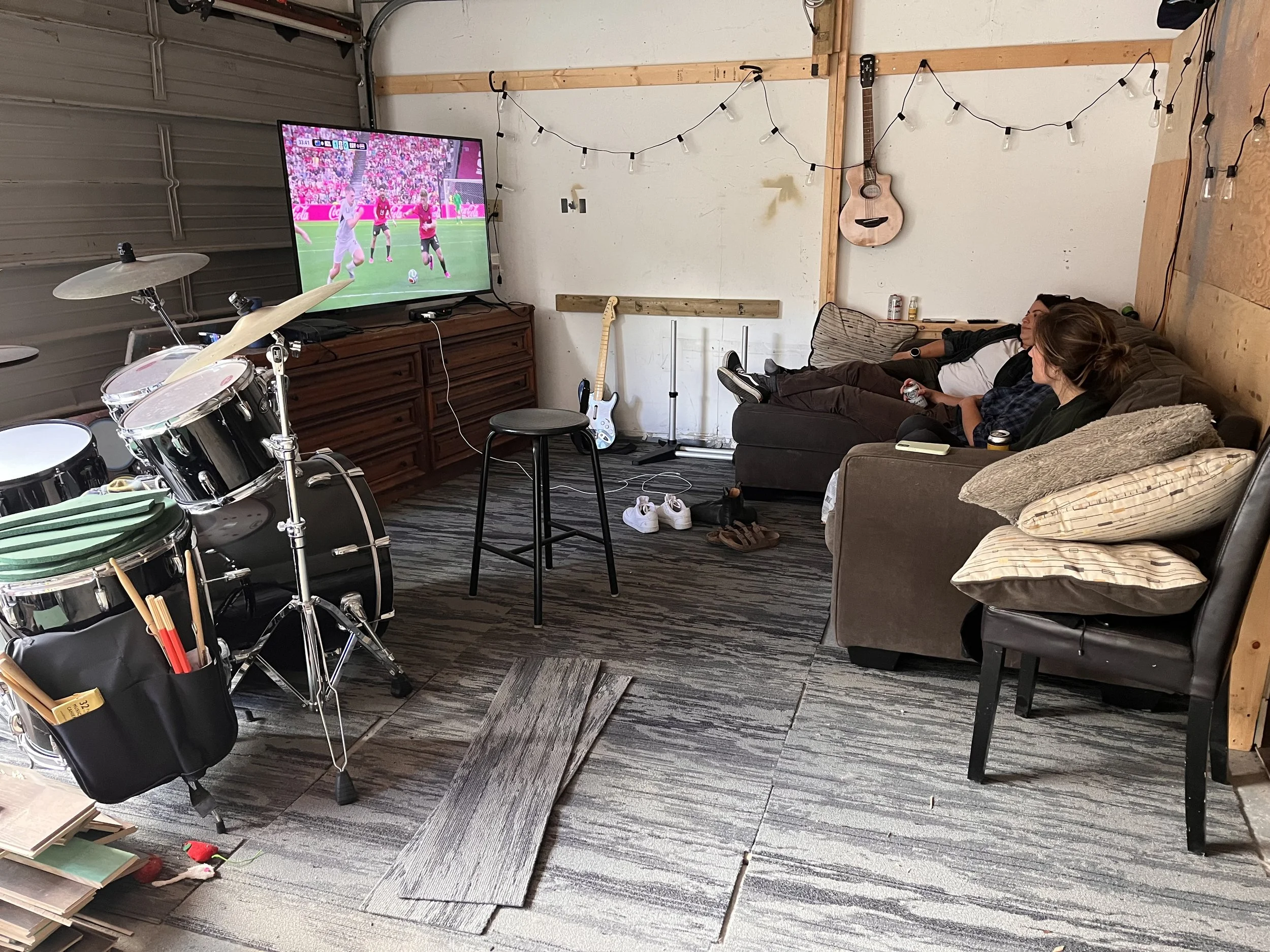
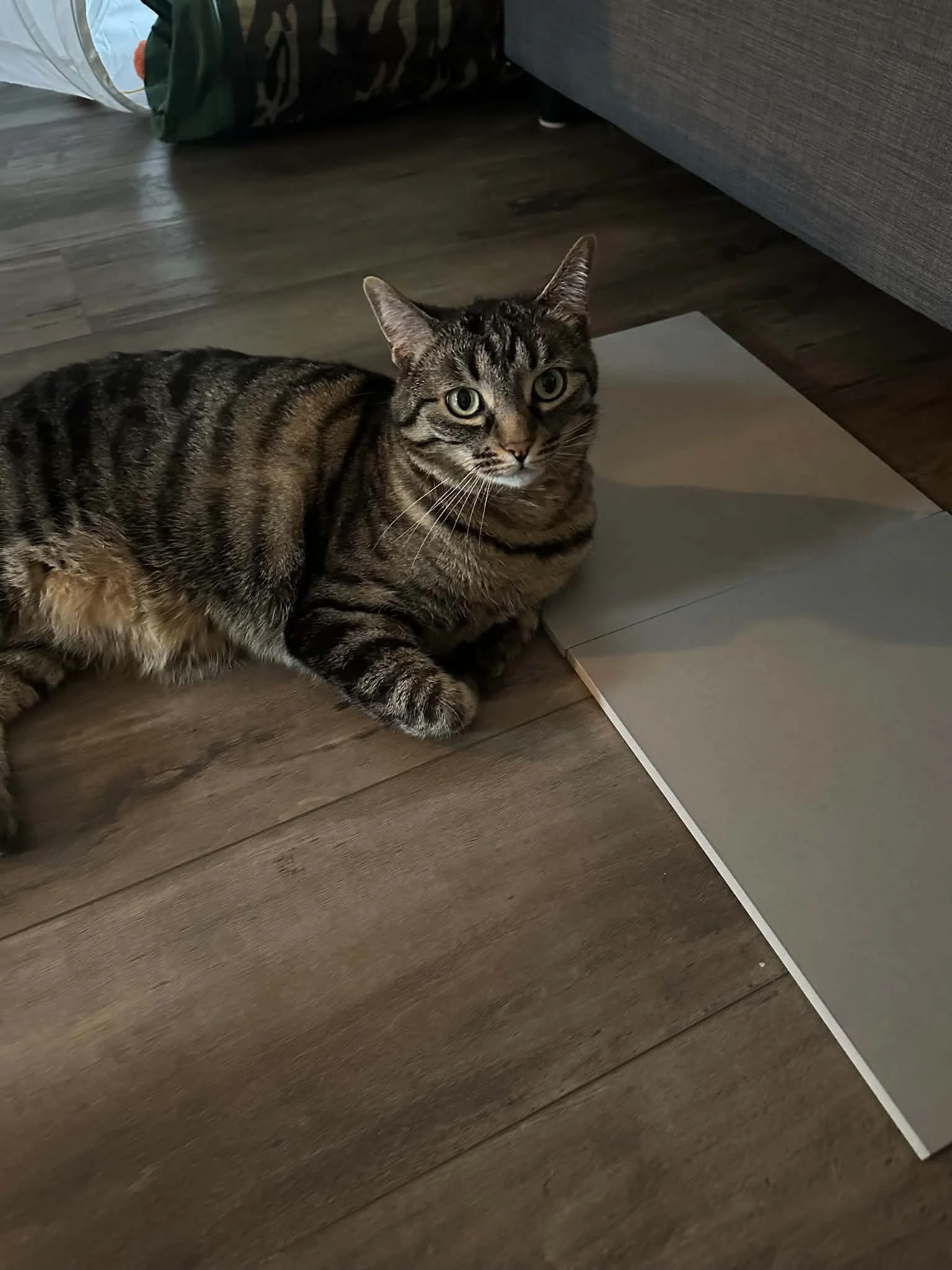
Community Highlights! Reuse in Action
We're inspired by the many creative ways our community is giving materials a second life!
From simple swaps to imaginative upcycling projects, every act of reuse helps keep valuable materials in circulation and out of the landfill.
volunteer with us!
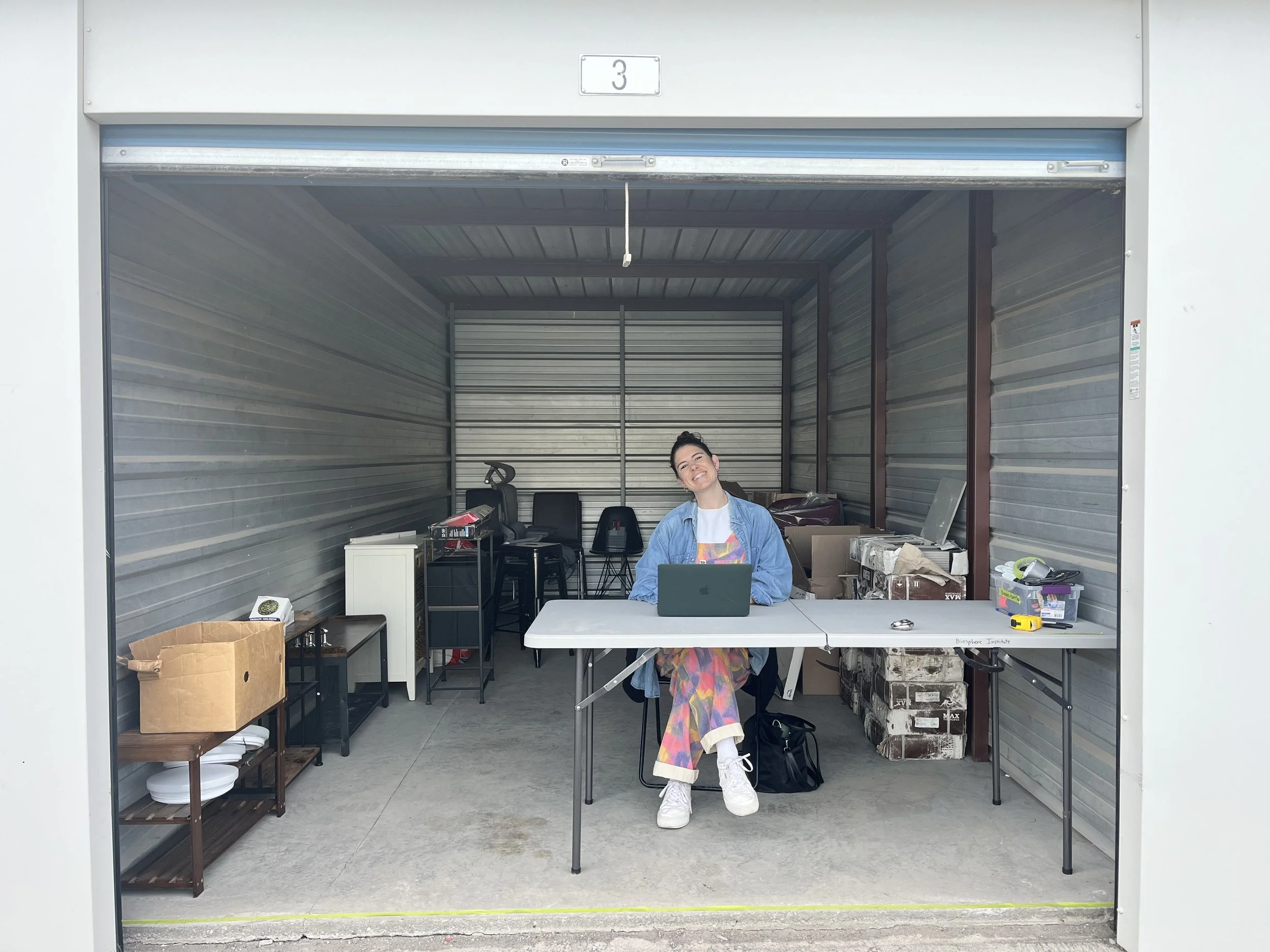
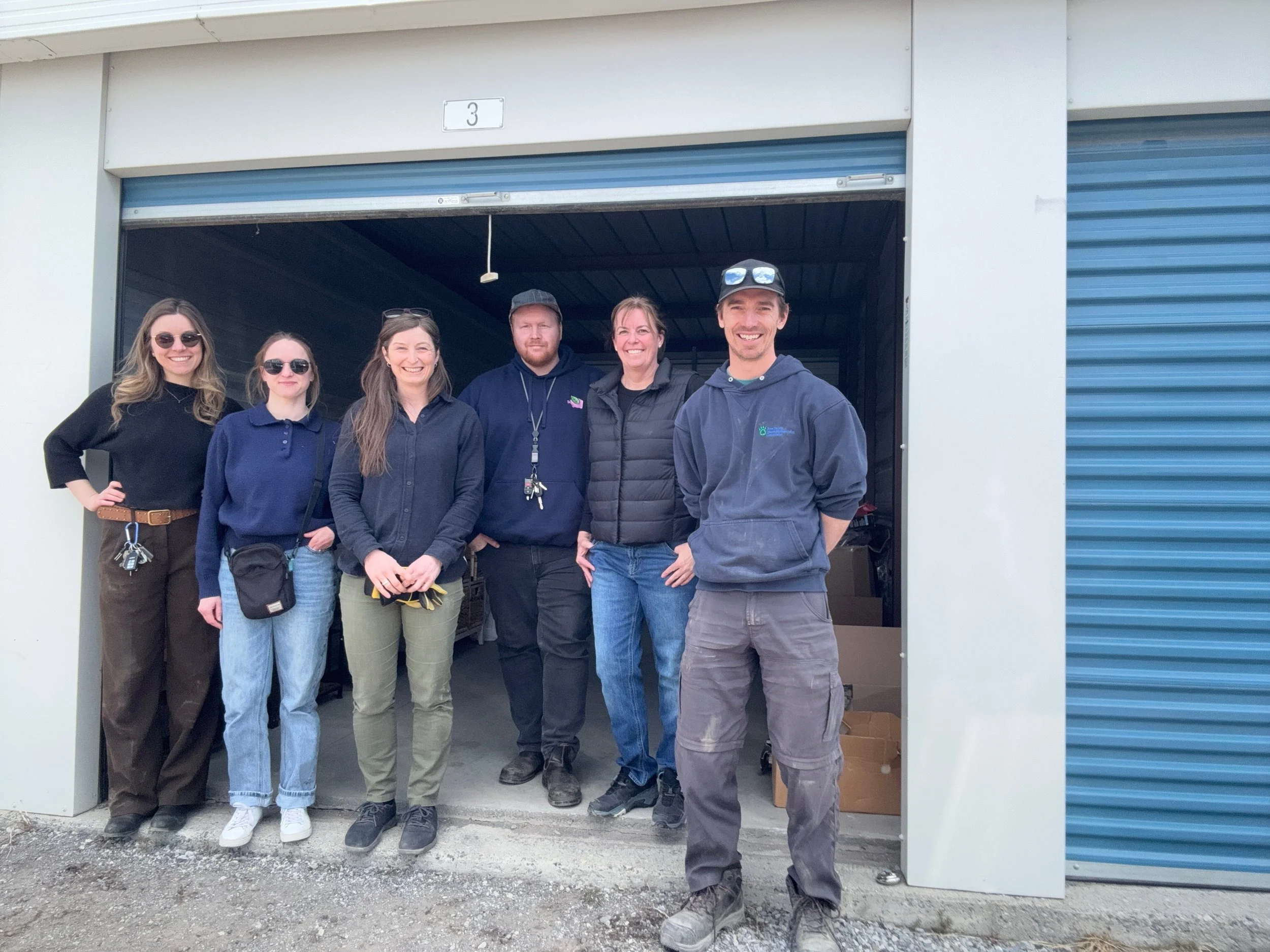
Steph, one of our awesome volunteers at the Reuse Hub!
We’re building this system with the community. We are looking for volunteers that can commit minimum of 2 hours per week. Email reuse@biosphereinstitute.org to learn more.
If you’re a resident, contractor, business, or community organization, and you’re interested in helping shape this project, we’d love to hear from you.
Click the button below to email us and learn more about getting involved!
Together, let’s design a reuse system that works for the Bow Valley.
additional links and resources
To learn more, explore the following helpful resources:
Construction, Renovation, and Demolition Best Practices Research Summary Report: The Town of Canmore engaged the
Sustainability Scholars Program for assistance undertaking research into sustainable construction, renovation, and demolition
(CRD) waste management. This review and recommendations are an important first step for the Town of Canmore to
develop a longer-term regional CRD waste strategy, starting in 2024.
Construction Waste Diversion: The Biosphere Institute of the Bow Valley partnered with the Bow Valley Regional Waste Commission, Bow Valley Builders and Developers Association and Cleansweep Waste Removal to develop new ways to separate waste on construction sites. Click below to learn more.
Circular Economy Resources: The Biosphere Institute has been working on a variety of projects that support a circular economy and reuse.

Thank you to the Calgary Foundation for funding this work.