
Truth & ReconciliACTION at the Biosphere Institute
Reconciliation is a relationship and an ongoing practice. It is not a checklist.
At the Biosphere Institute, we recognize that environmental work in the Bow Valley takes place within Treaty 7 territory and that caring for land, water, wildlife, and community cannot be separated from the histories and ongoing impacts of colonialism.
We are continuing to learn and unlearn, build relationships, and ask how our work can better center Indigenous leadership, knowledge, perspectives, and responsibilities to the land.
We also know there is much more work to do.
We are sharing some of the actions we have taken over the past year both for transparency and in the hope that concrete examples can help other organizations consider what reconciliation might look like within their own work.
Centering Indigenous ways of knowing and indigenous-led learning
Throughout the past year, we worked with Indigenous and Métis educators, artists, and Knowledge Holders to create opportunities for our community to learn directly from Indigenous perspectives and relationships with land. Continue reading to see some examples of this work over the past year (2025-2026).
Food is Our teacher
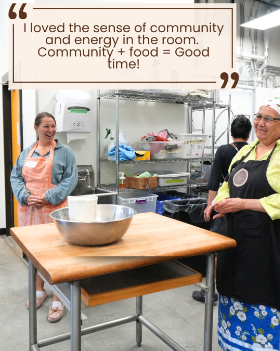
Food is Our Teacher was a bannock-making workshop with Tracey Stevens as part of the Harnessing the Power of Food series at the Co+Kitchen in partnership with Bow Valley Food Alliance.
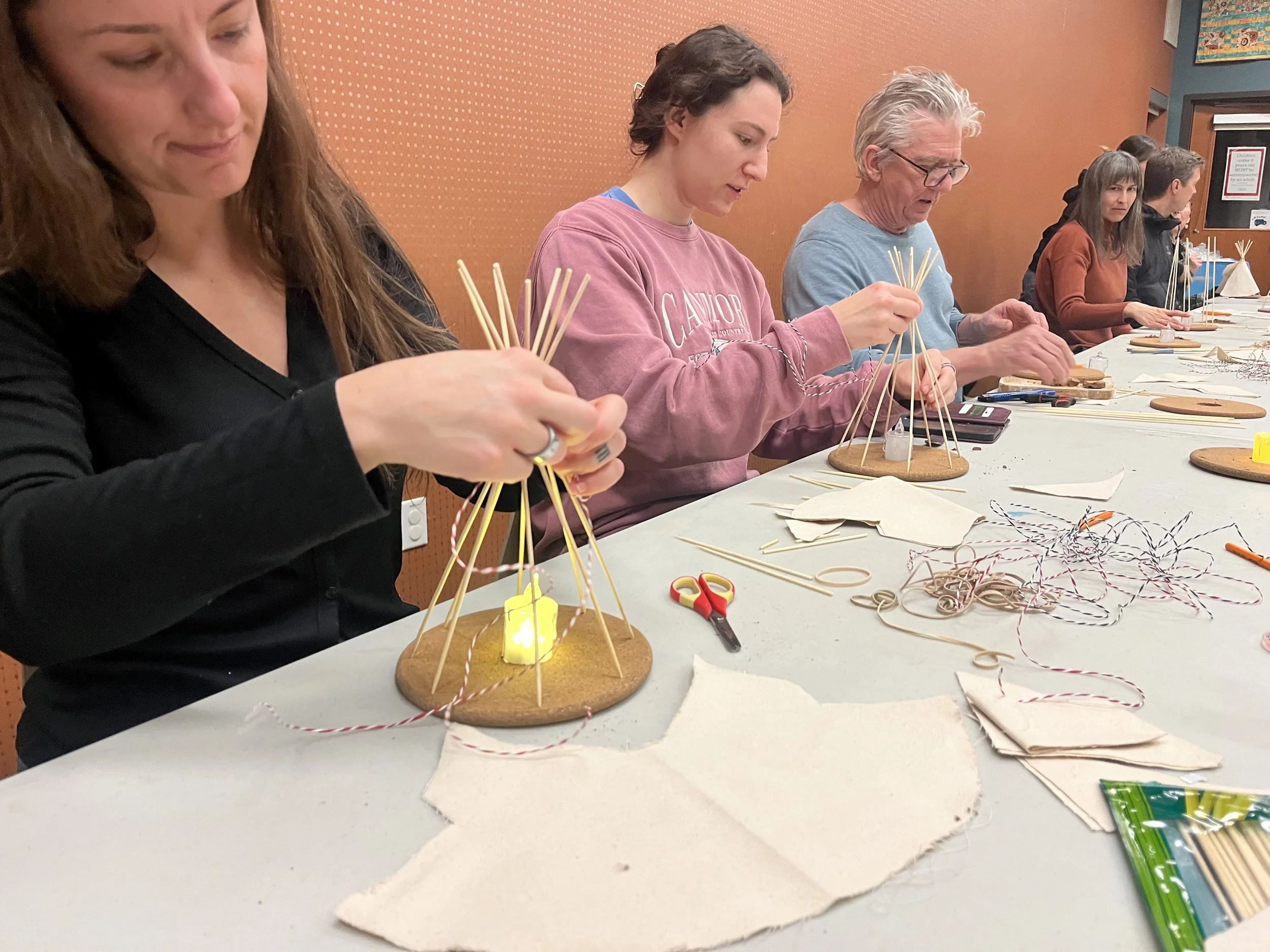
Tipi lantern Earth talk
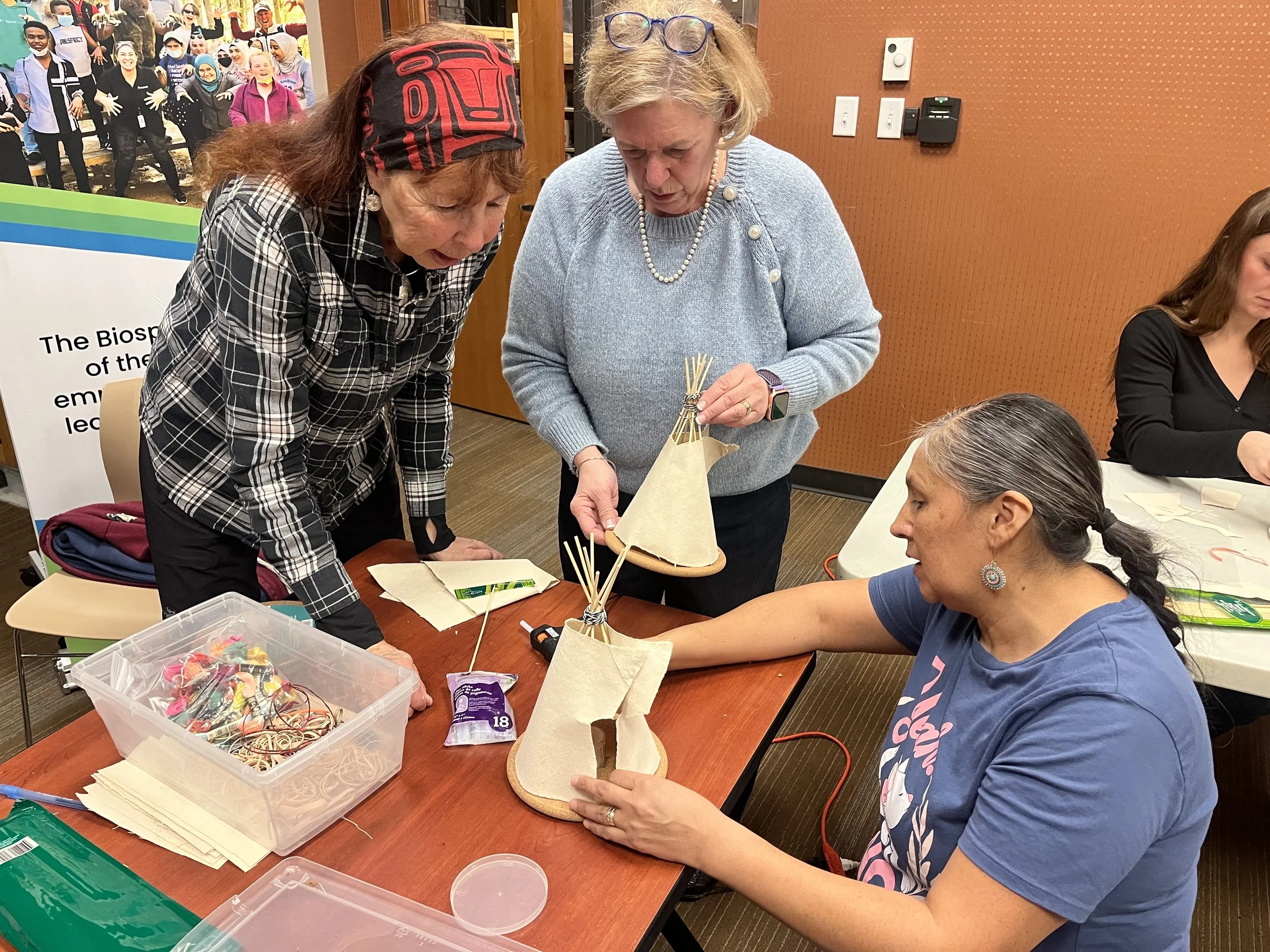
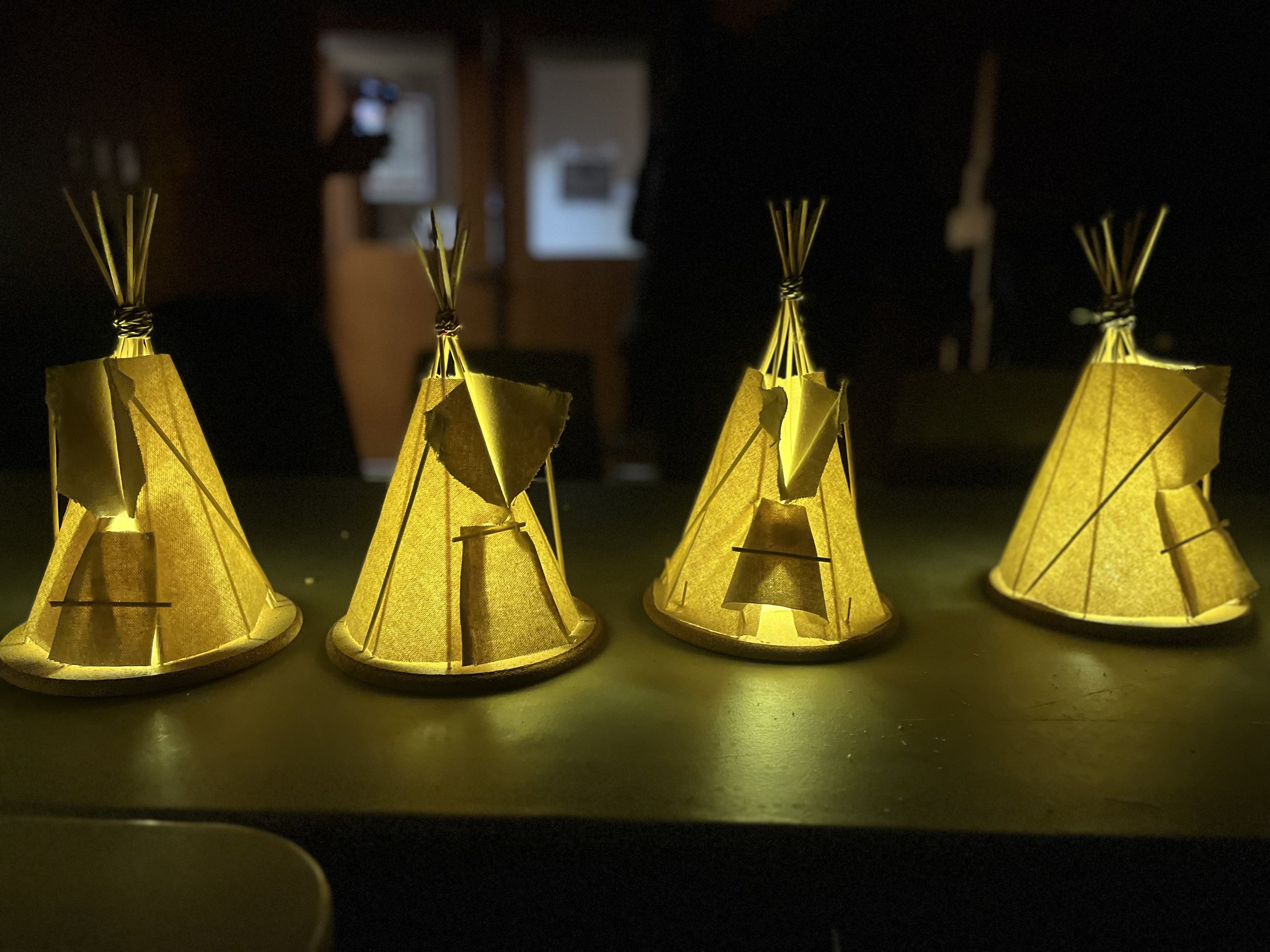
A Tipi Lantern Making Earth Talk was led and facilitated by Samantha Smalleyes, as well as stories about the constellations shared from her grandson, Hardy and Harden.
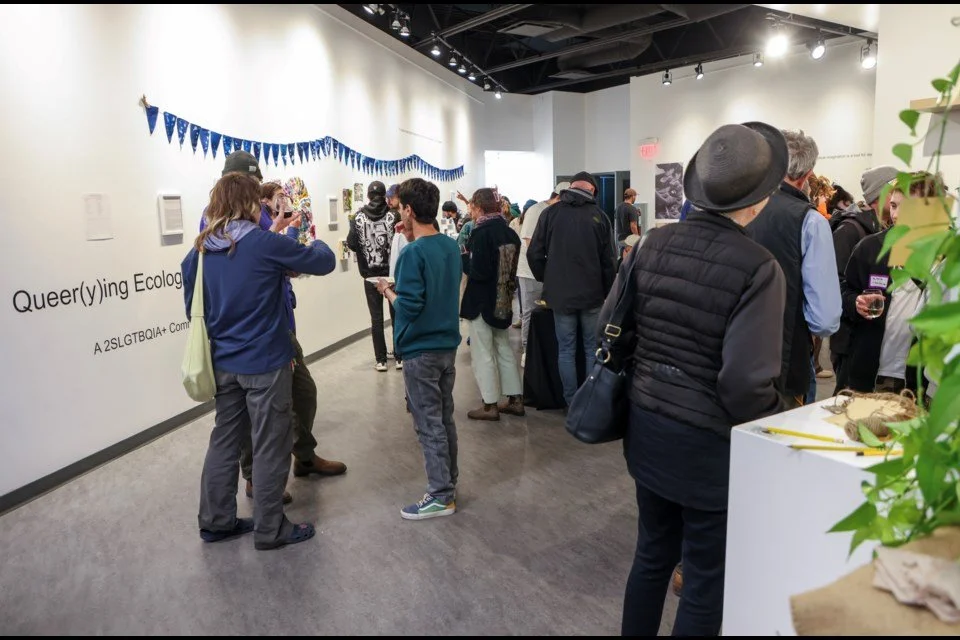
Queer(y)ing Ecologies
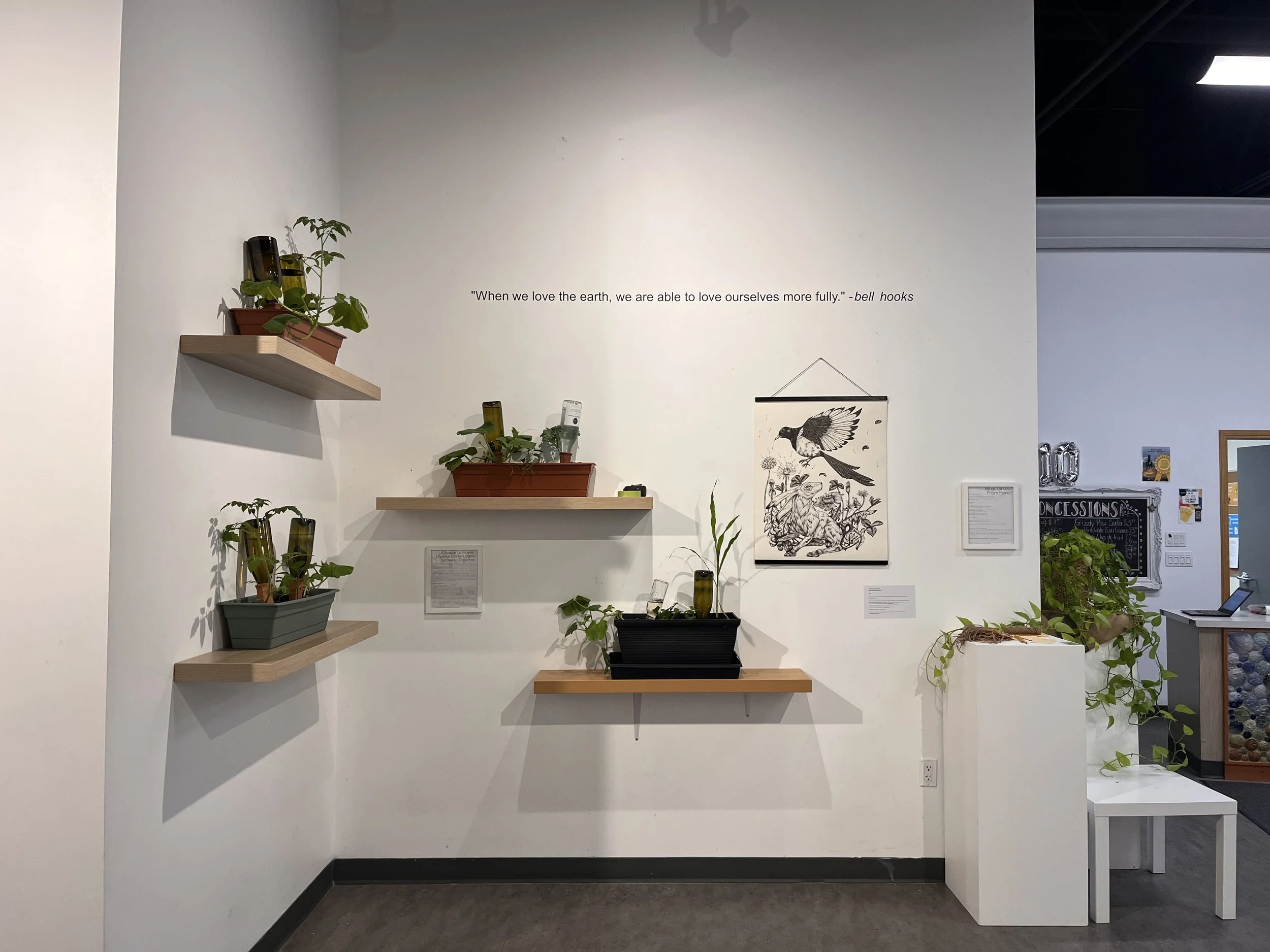
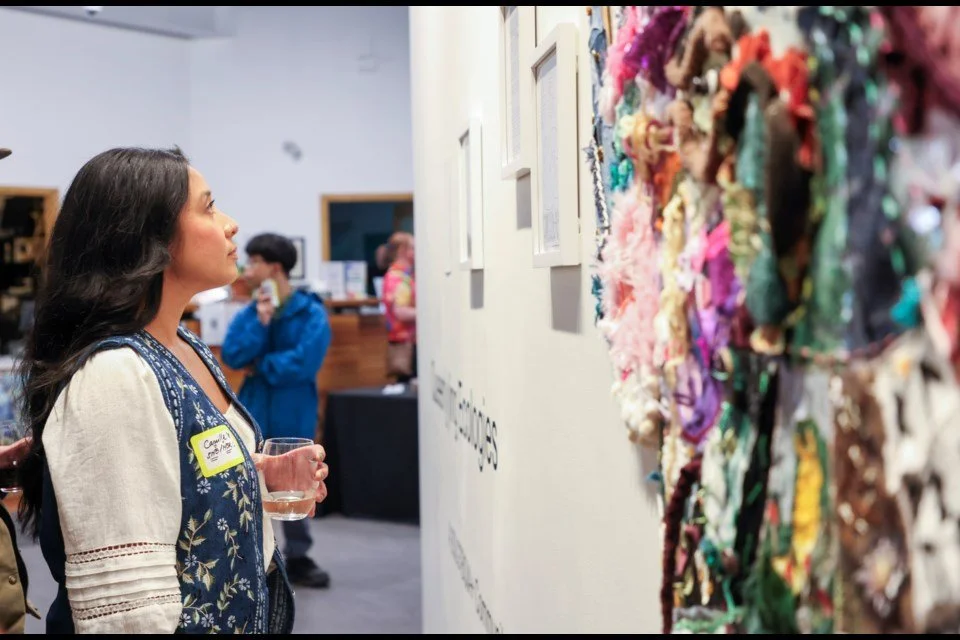
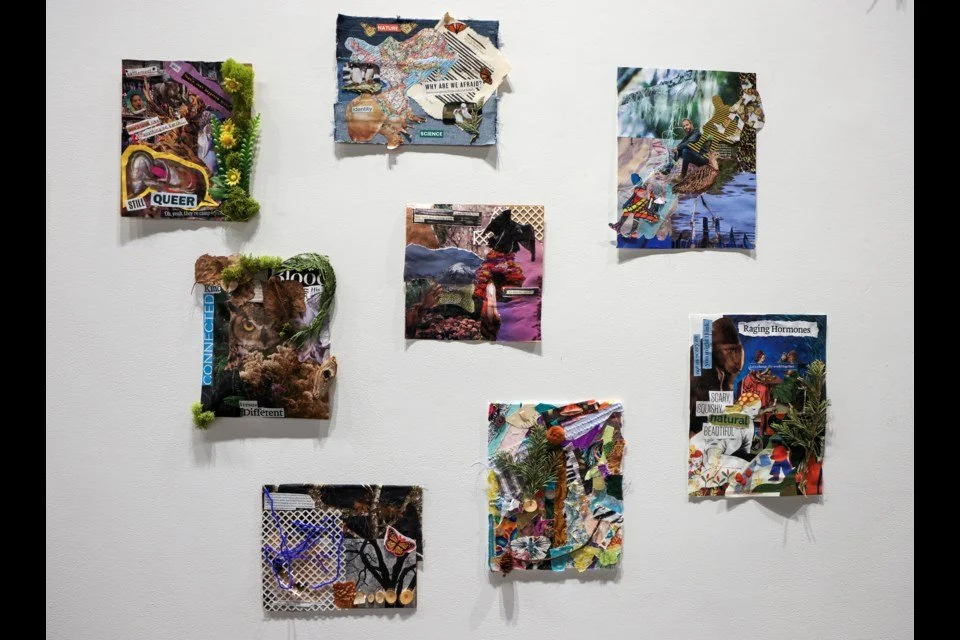
The Queer(y)ing Ecologies project included two Indigenous-led workshops, and an art exhibit that was exhibited at artsPlace for a month featuring multiple Indigenous and Métis artists:
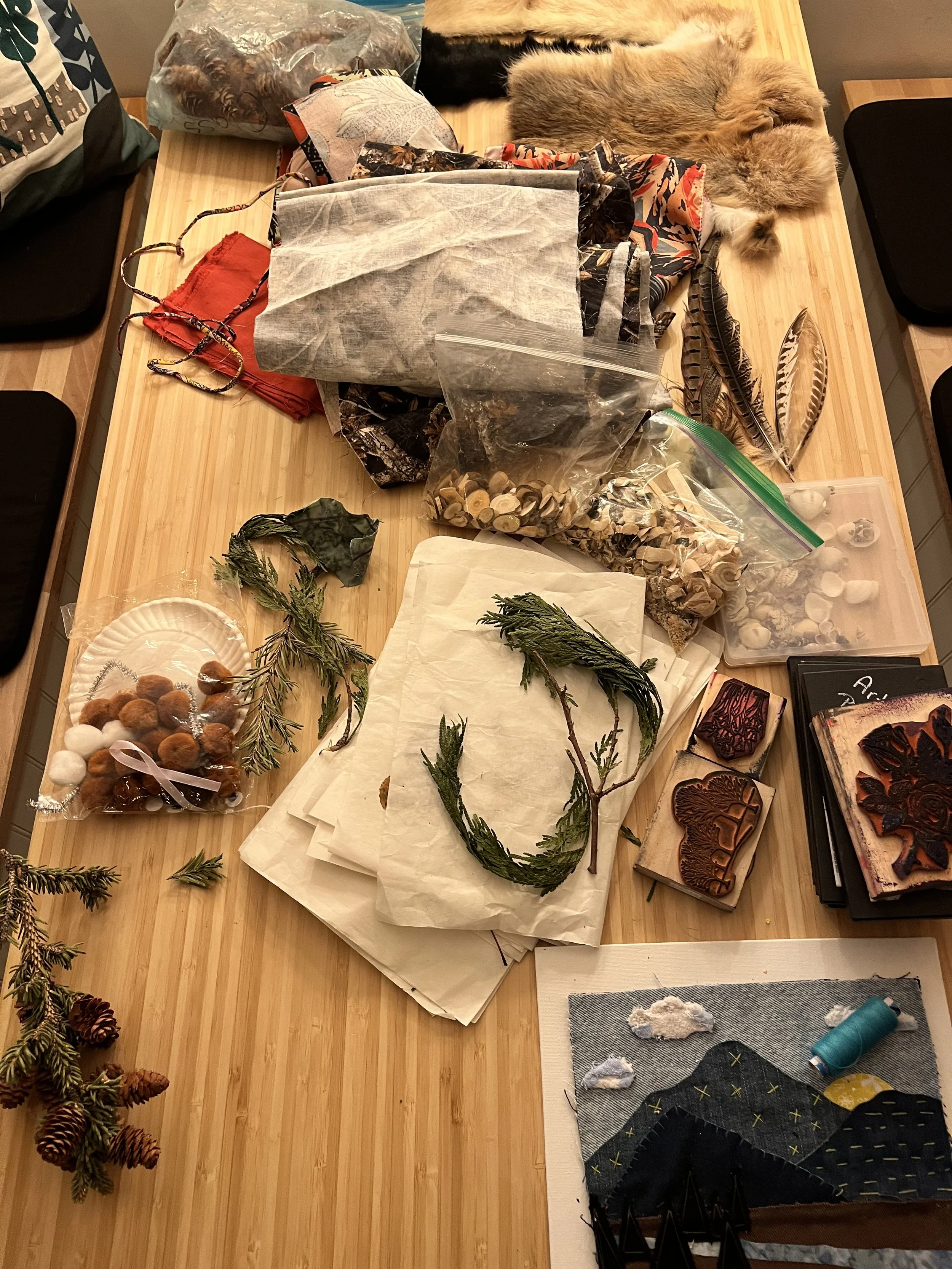
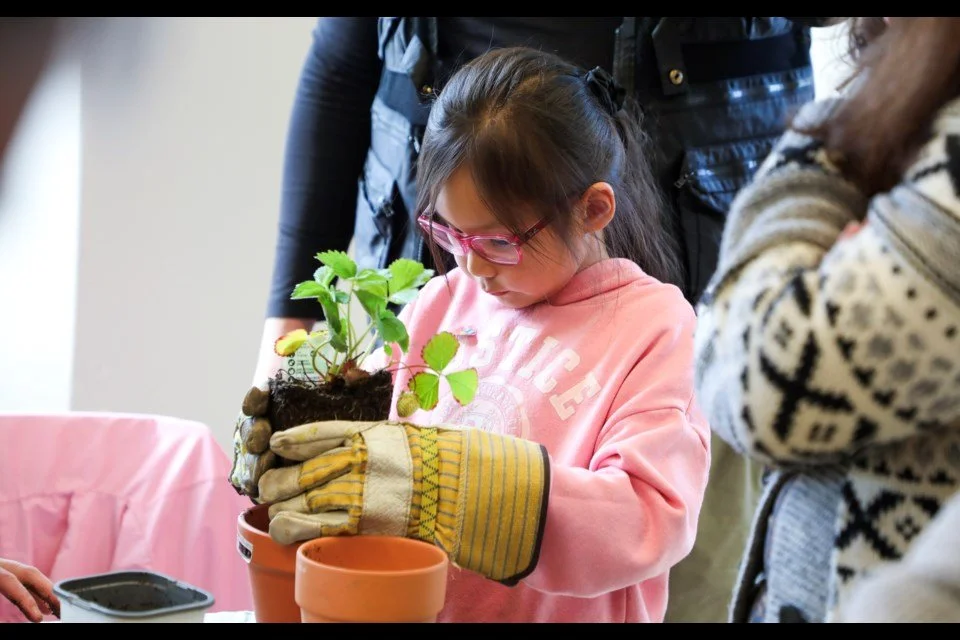
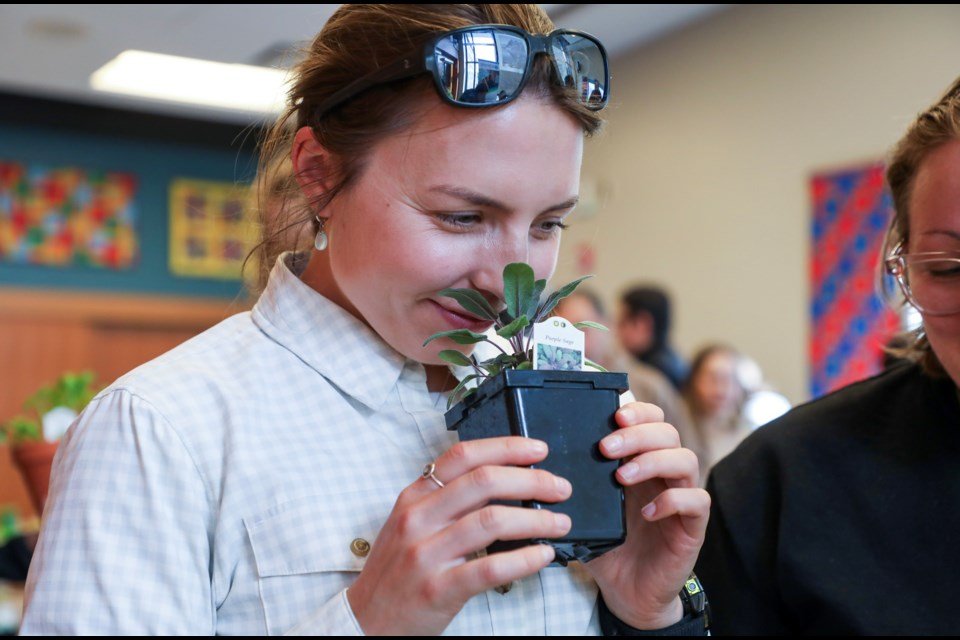
A guided plant walk and conversation with Métis ecologist Rachelle Renaud as part of Queer(y)ing Ecologies.
An upcycled collage workshop led by Cheyenne Bearspaw of Îyârhe Nakoda.
Multiple individual art submissions ( Îyârhe Nakoda, Métis, Wendat First Nation, and others)
Braiding Knowledges
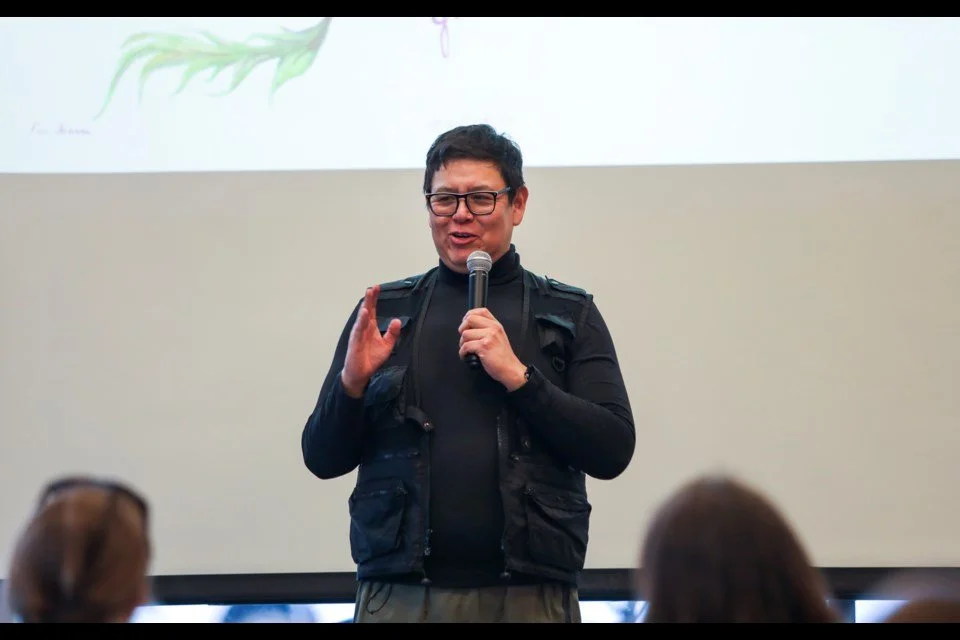
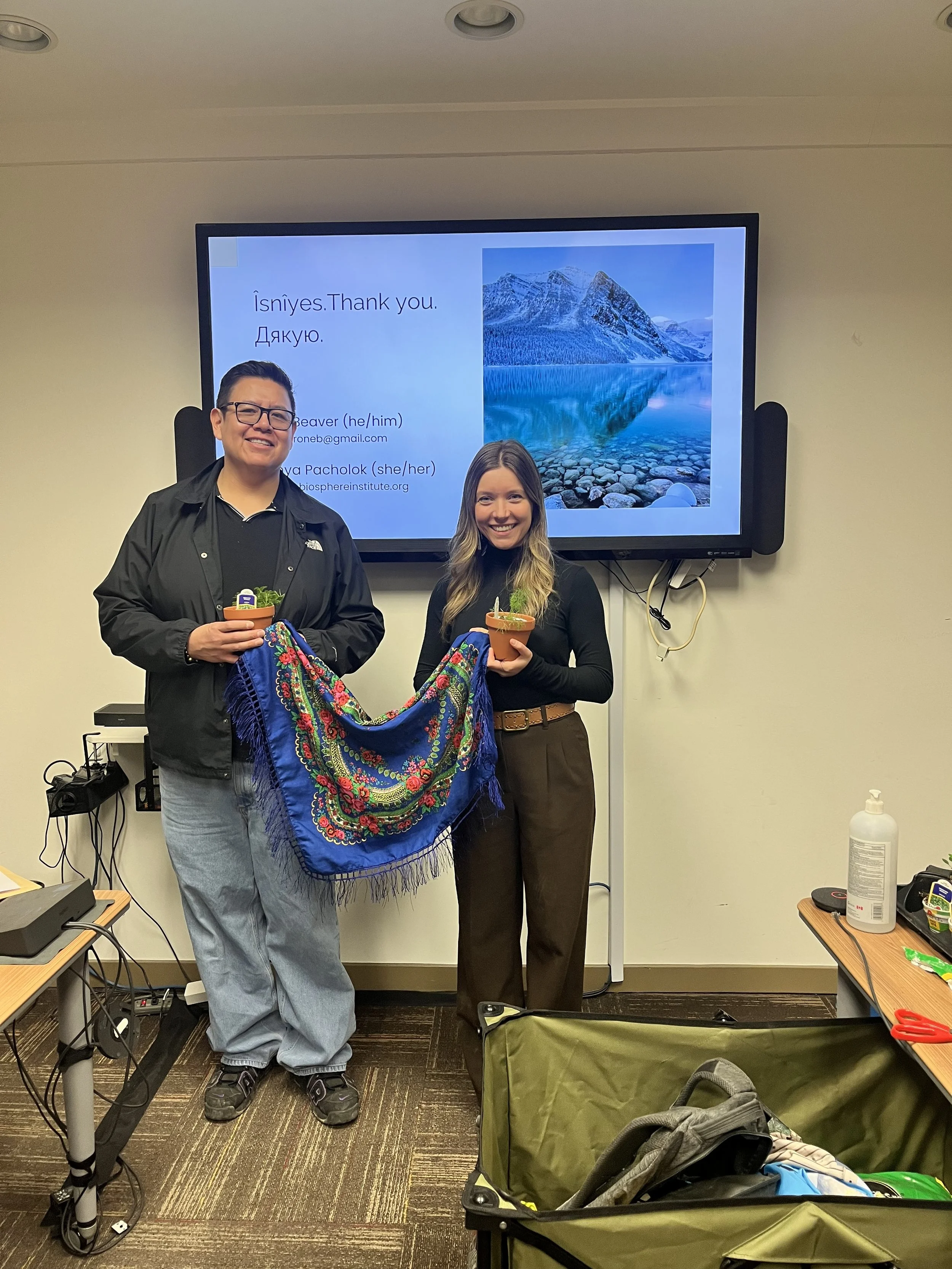
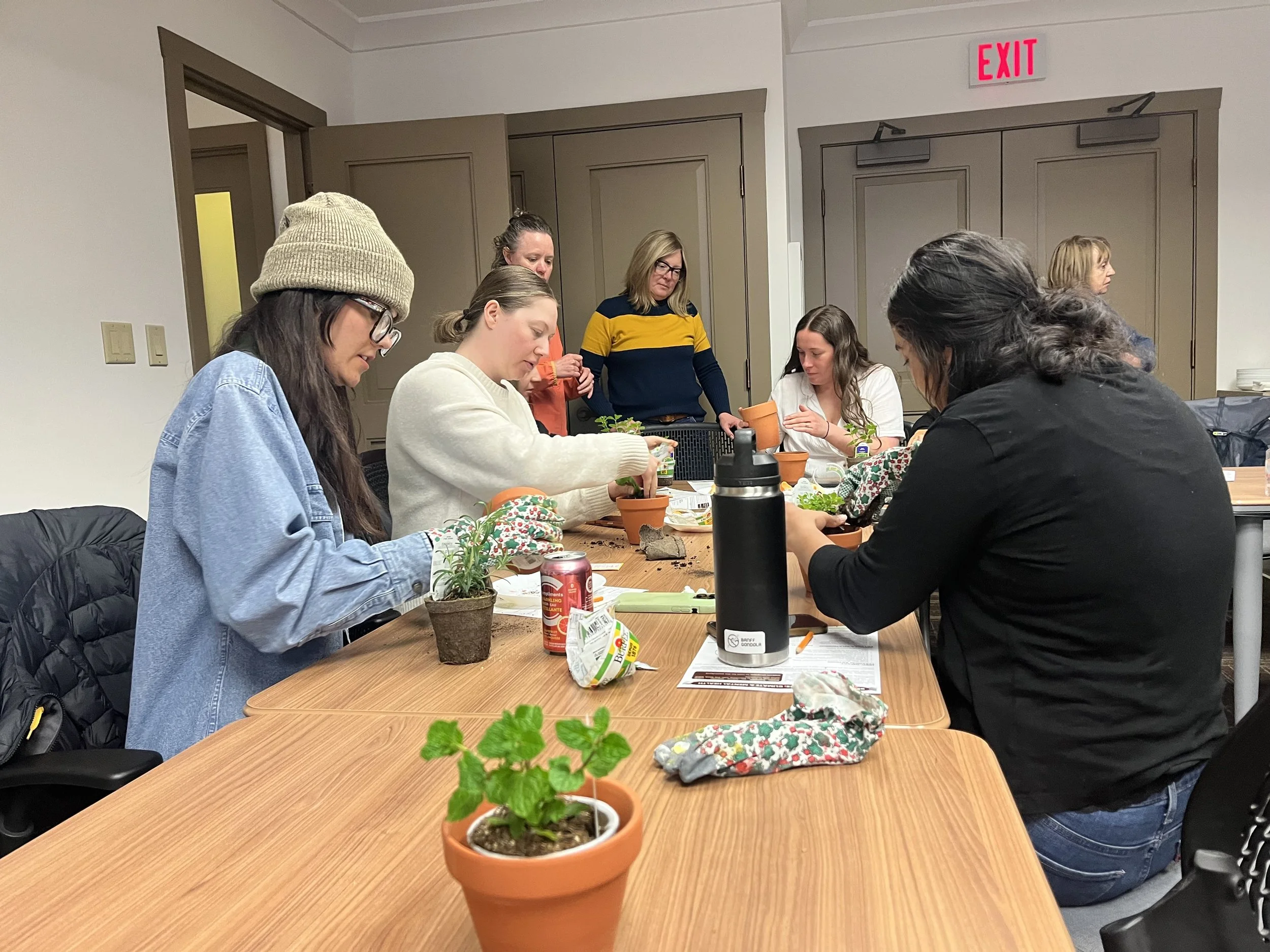
Braiding Knowledges, a new workshop, was co-designed by Cory Beaver (Îyârhe Nakoda) and Tanya (Biosphere Institute), exploring climate anxiety and grief weaving together learnings from Îyârhe Nakoda perspectives, Climate Psychology and Tanya’s Ukrainian heritage.


Learning with and from the land
For the fourth annual Ways of the Bison, Îyârhe Nakoda Elders and students joined non-Indigenous students for a day of learning together on the land at Star 6 Ranch.
Land-based learning is also influencing how we approach our environmental education more broadly.
Within our Future Leaders programming, we are exploring ways of slowing down, listening, storytelling, and helping students develop their own relationships with self, nature, and community.
Part of that learning has meant reconsidering the role of the educator: stepping away from always being the person with the answers and creating more space for the land, natural processes, community members, and students themselves to be teachers.
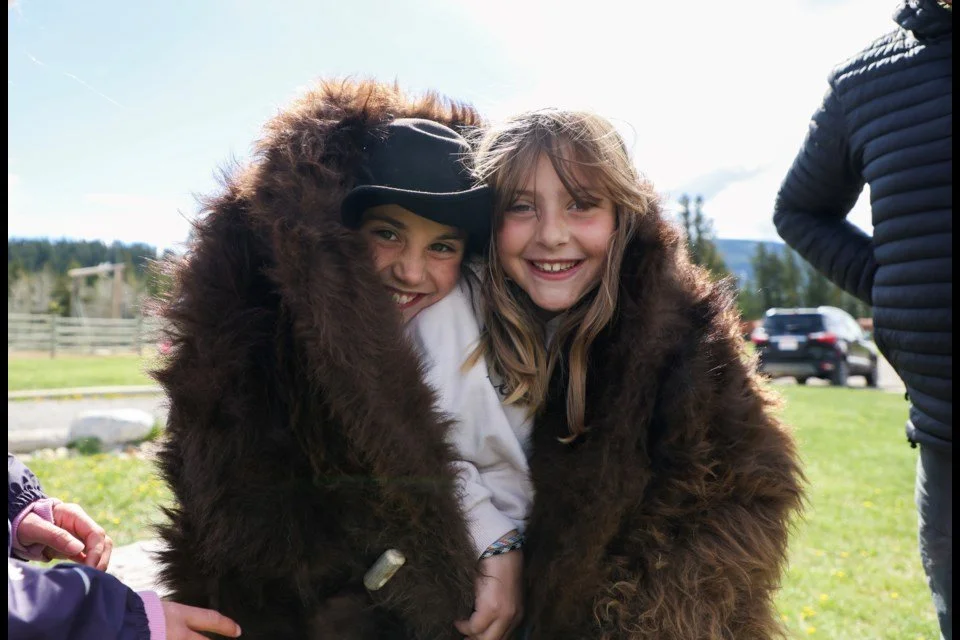
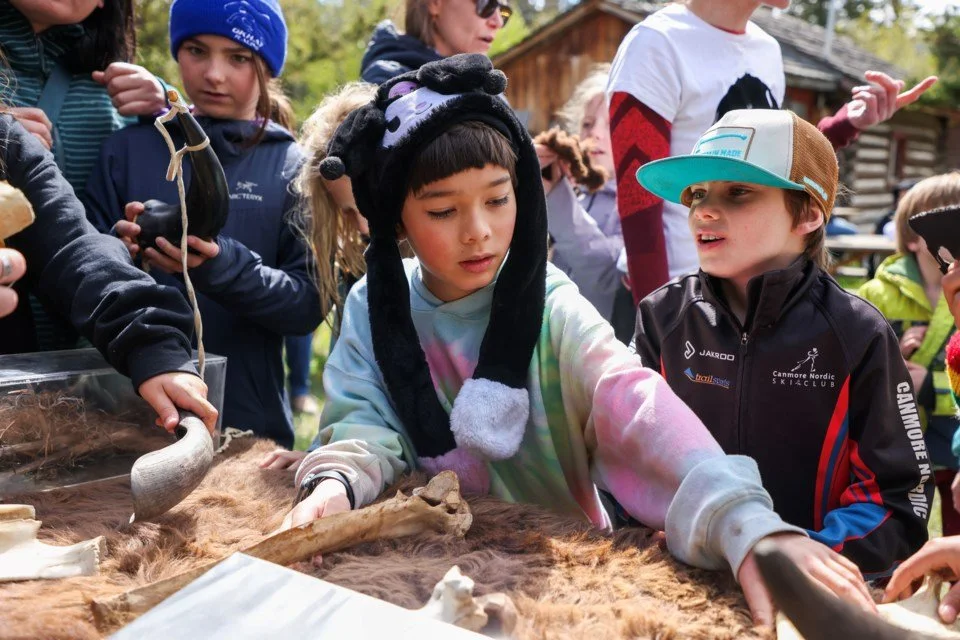
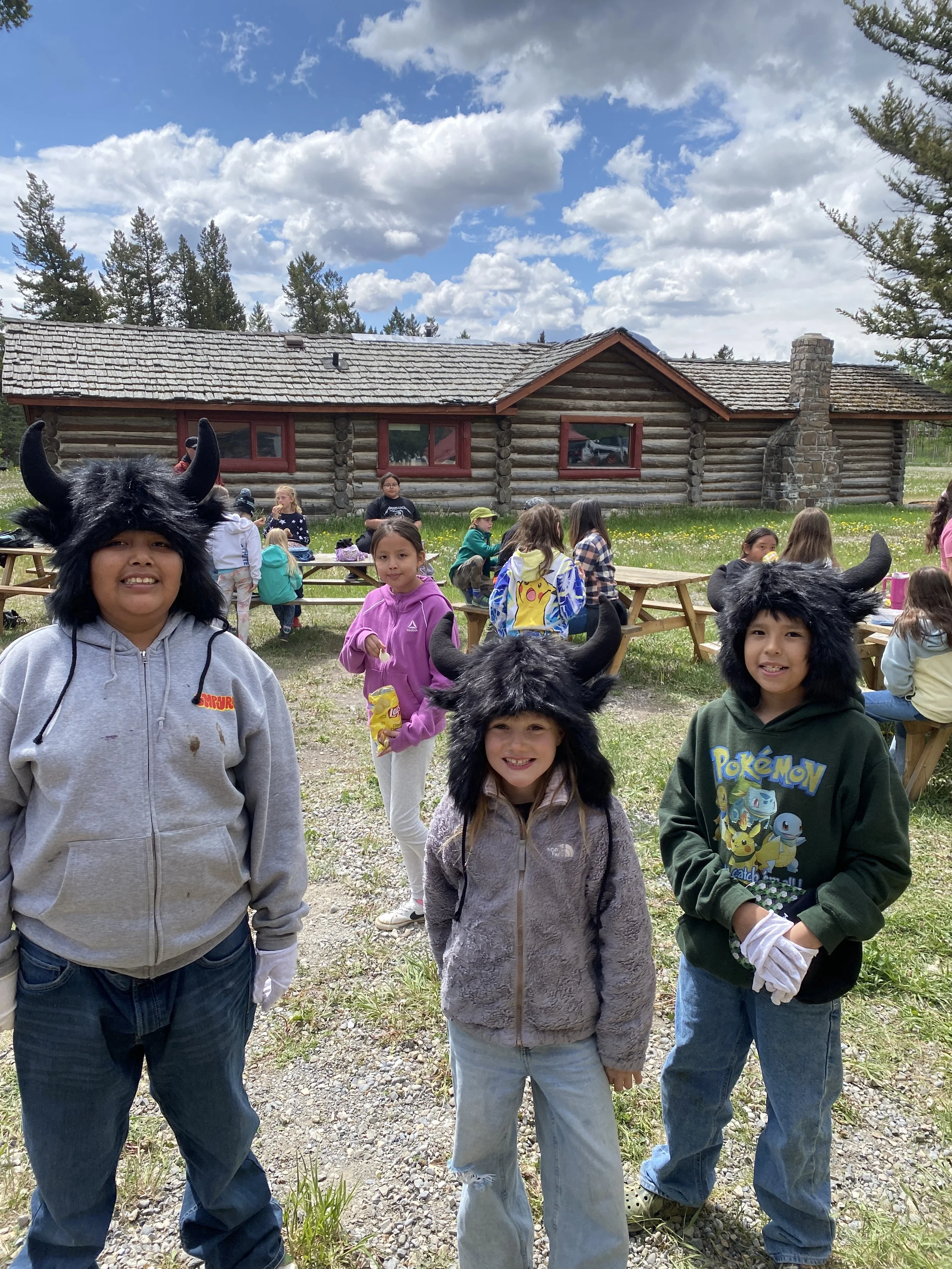
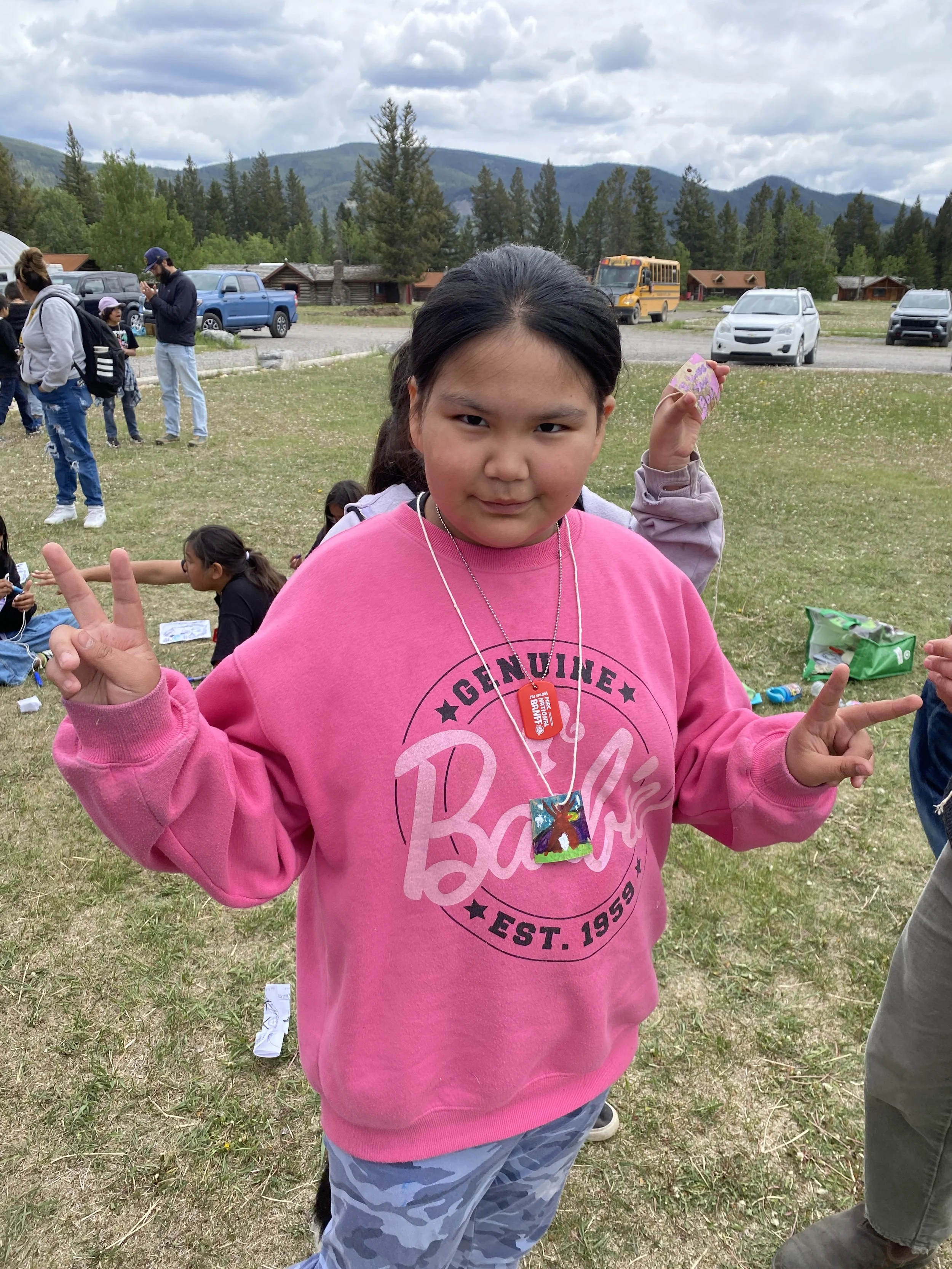
“Growing up in Banff National Park, I learned the ecological role of the bison. Now, working alongside Îyethka Knowledge Keepers and educators, I’ve learned how tatâga (bison) is not only an ecological keystone species, but a cultural keystone in Mînî Rhpa (Banff) as well.”
Supporting Indigenous-led and indigenous-settler collaborations
Through our Community Microgrants, we have supported Indigenous-led and Indigenous–settler collaborative initiatives, including an Indigenous film night and an Indigenous Healing Circle.
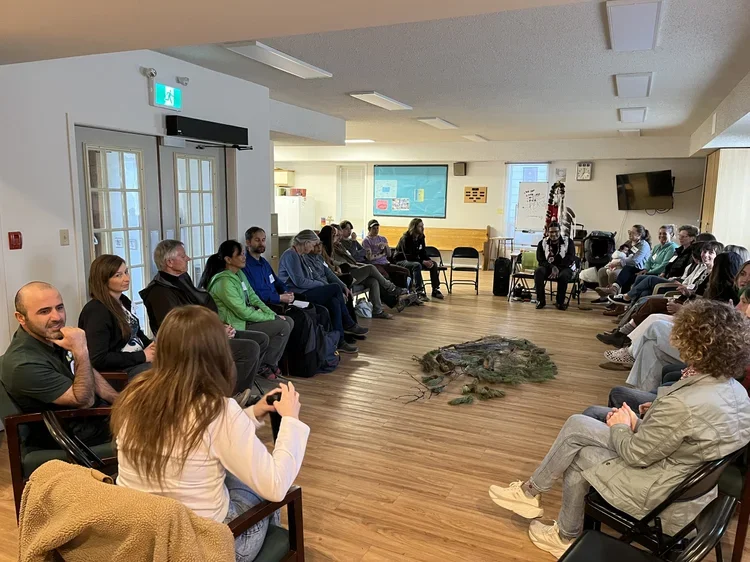
Small, accessible funding opportunities are one way organizations can use the resources they hold to support work already happening within community.
Bringing Indigenous knowledge into environmental conversations
We are also working to ensure Indigenous knowledge and perspectives are present within broader conversations about conservation and environmental stewardship.
At our annual Bear Day, Bill Snow shared work on the Stoney Nakoda Grizzly Bear Study in Kananaskis and Stoney Nakoda Traditional Knowledge of grizzly bears.
Biosphere staff have also collaborated with Indigenous partners beyond our own programming, including co-presenting with Tracey Stevens and Carlene Stevens at a national teachers' conference in Banff.
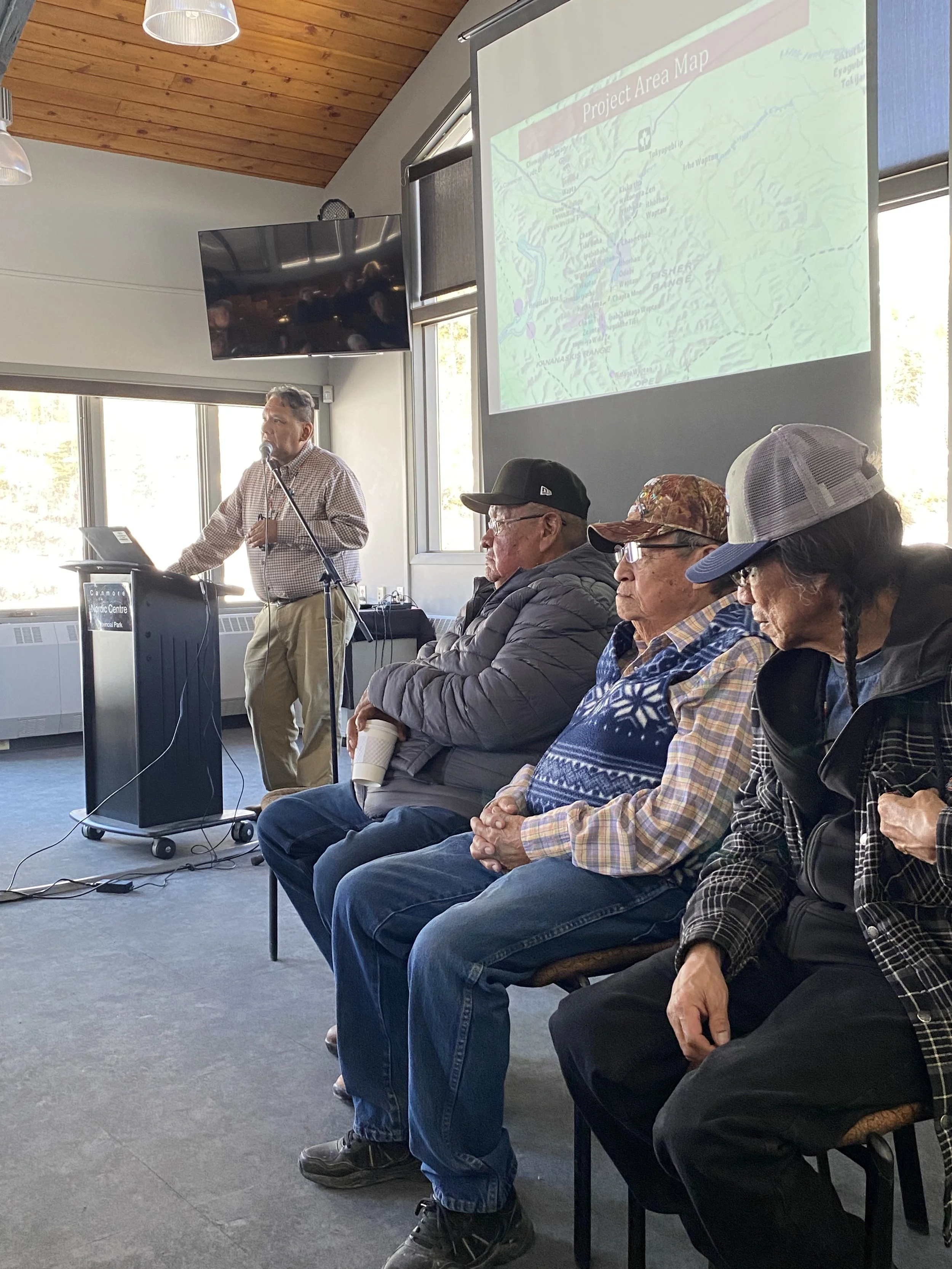
RESPONDING TO EDUCATION & OUTREACH REQUESTS FROM THE STONEY EDUCATION AUTHORITY
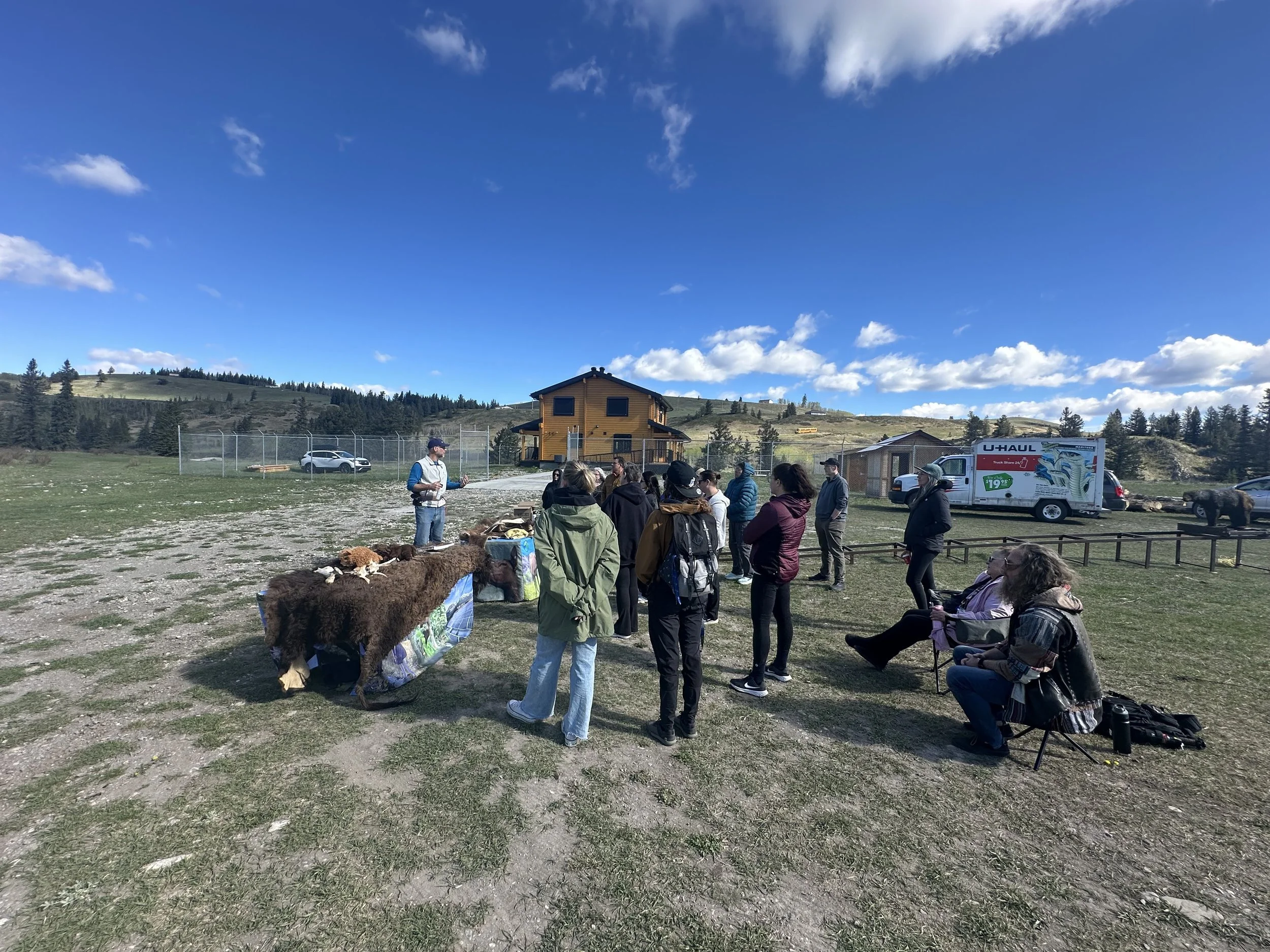
Biosphere staff delivered wildlife safety and bear spray training to over 60 teachers at a one-day teacher-focused Stoney Education Authority Outdoor Education Conference on May 14, 2026 in Mînî Thnî. By providing this hands-on professional learning experience, our staff were able to build confidence and inspire meaningful outdoor learning for the teachers working in the Stoney Education Authority.
"It was so fun to see all the educators laugh, learn and cheer each other on as they attempted to successfully spray the moving bear on a cart. Everyone left the sessions with a smile on their face and a fresh perspective on what human-wildlife coexistence is all about."
Showing up, listening, learning and unlearning
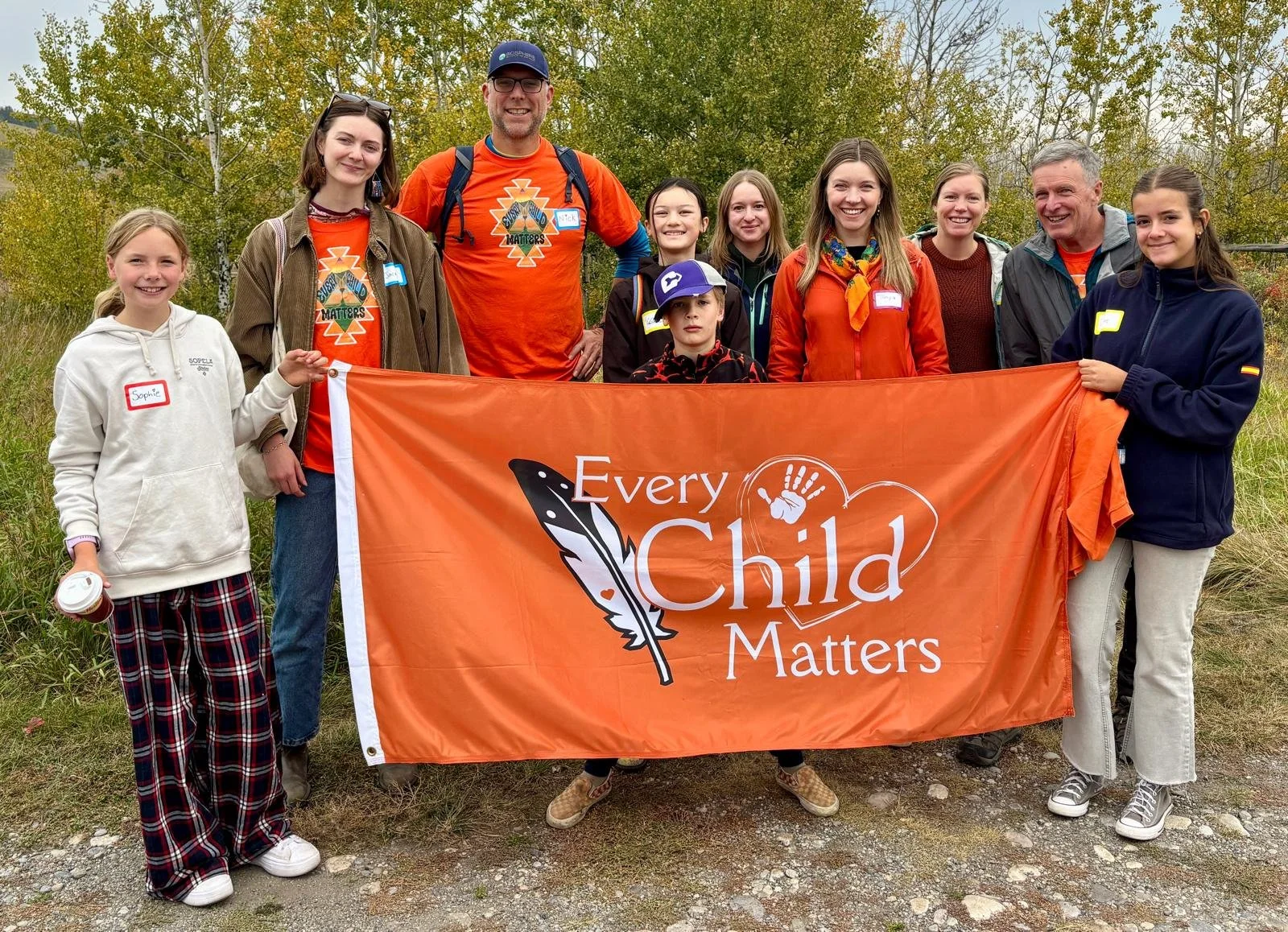
Over the past year, Biosphere staff attended community events and learning opportunities including the Bison Harvest, Truth and Reconciliation Walk, and powwows in Mînî Thnî.
We continue to show up, listen, learn and unlearn.
We share this work not as a model of “completed” reconciliation, but as part of being transparent about where we are, what we're learning, and where we still want to go.
Reconciliation does not begin and end on September 30. Our commitment is to keep showing up, listening, learning, building relationships, and changing how we work.