Winter EV Charging & Test Drives
What does it look like to drive electric in the winter? People often cite concerns about shorter distance ranges and slower charging rates as barriers to switching to electric. But how much does winter truly affect EV performance?
Join us this 2026/27 winter season for a series of learning opportunities ! Whether you want to test drive some EVs or learn about EV charging, our experts have you covered. Our goal is to help members of the community have all the facts to make decisions about EVs.
With funding from NRCan, the Biosphere is hosting a series of EV charging information sessions where people can learn about different types of chargers and how winter affects batteries.
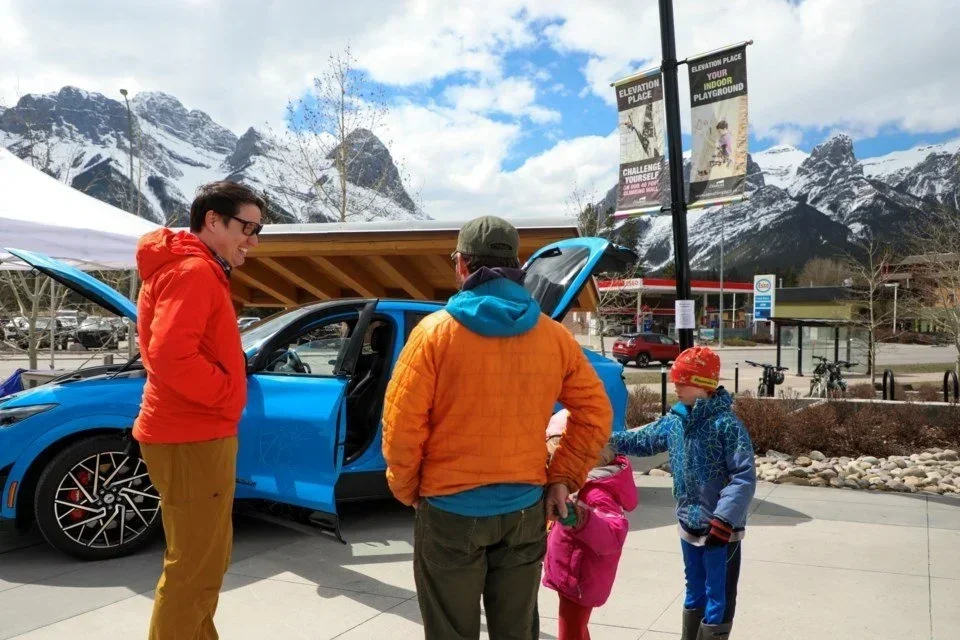
Thanks to our partners at Plug N Drive, we are hosting a series of test drives throughout the winter so you can try out EVs in typical Bow Valley snowy mountain conditions !
LEARN ABOUT WINTER EV CHARGING
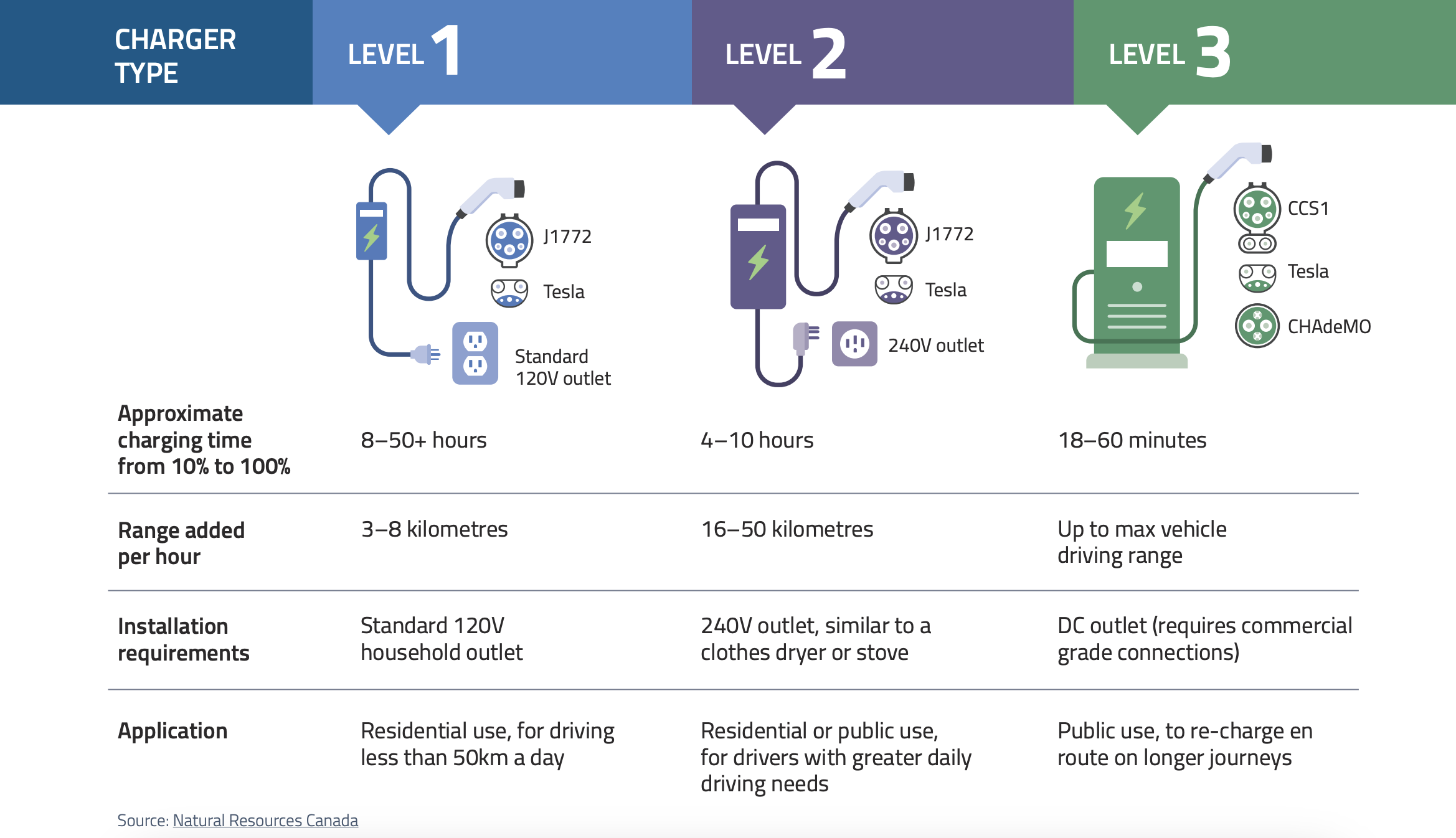
Find out about the different kinds of chargers (Level 1, 2, 3) and their application. Get a better understanding of what infrastructure is right for your use case and how winter affects charging and battery range.
Test drive evS IN WINTER CONDITIONS
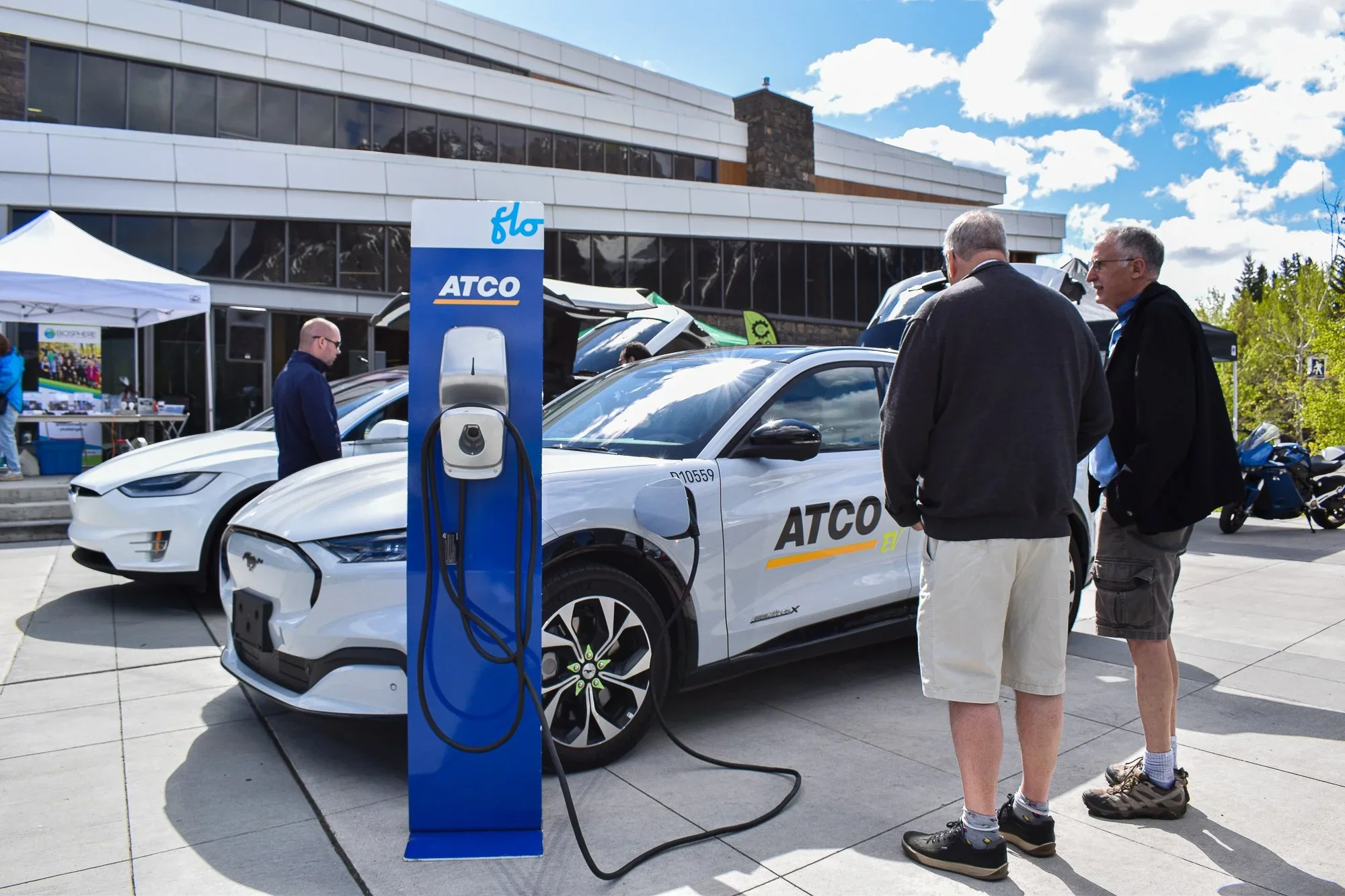
We are partnering with Plug’n Drive to offer a series of EV test drive events throughout the winter. You will be able to test drive EVs, talk with EV owners about their experiences, an ask your questions to EV ambassadors.
Different types of chargers have different applications
Depending on the type of vehicle you have and the distances you need it for, different types of charging options are available.
If you are commuting between Canmore and Banff, you can do with a Level 1 charger if you charge every night between your commutes. If you plan on skiing every day in Lake Louise and you live in Canmore, you will need a Level 2 charger. Level 3 chargers are usually roadside, commercial-grade chargers designed to quickly fill your battery back up. Several of these are available in the Bow Valley. (See our EV resources for more information).
How does winter affect ELECTRIC VEHICLES?
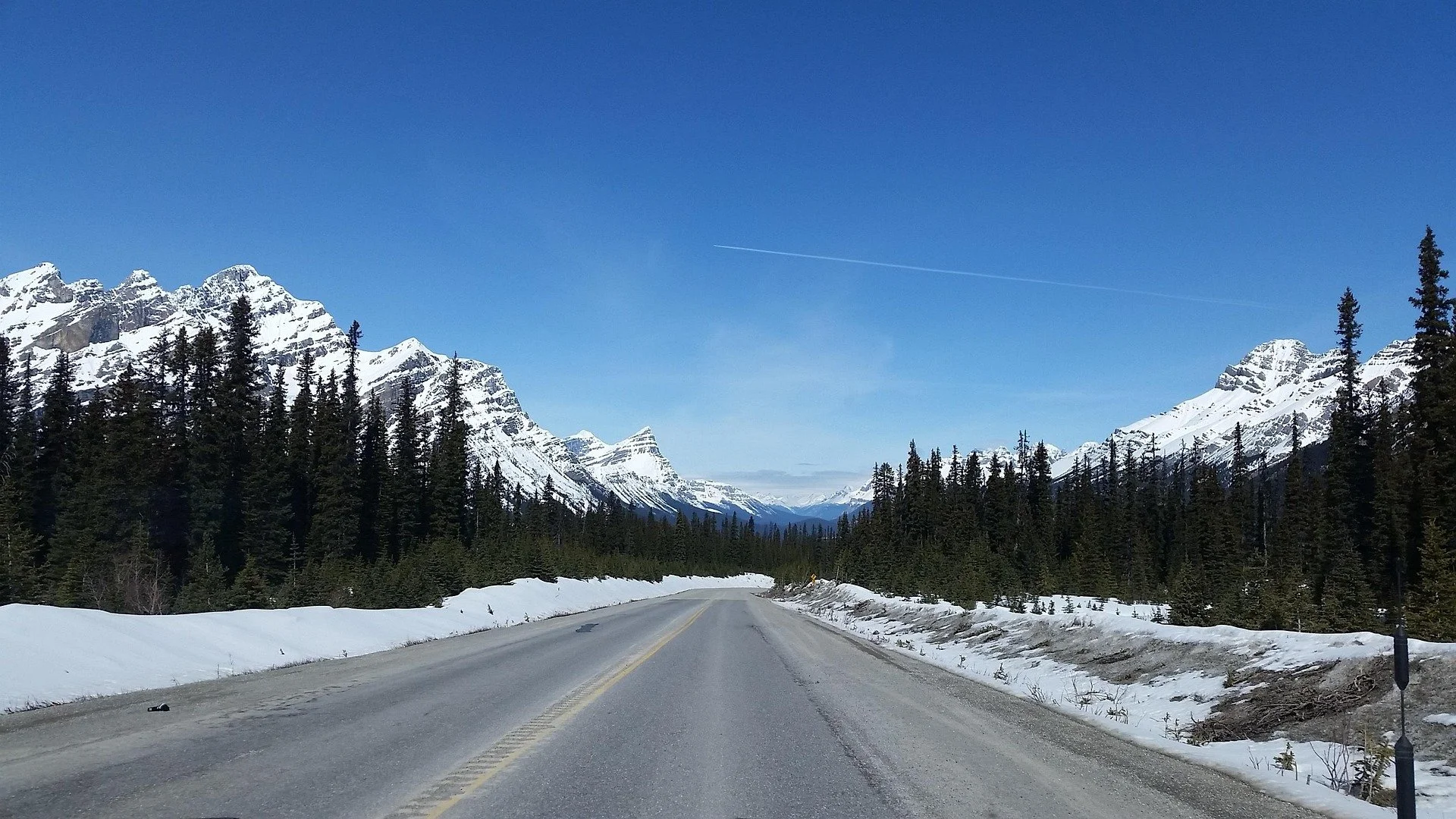
When the temperature drops to between -7 and -15 degrees celsius, EVs lose about between 14-39% of their driving range (the loss range accounts for differences in vehicles, temperates and usage such as heating).
Cold weather limits the availability of energy that the car can draw from the battery. It can also slow down charging rates, as cold batteries accept energy from charging more slowly.
For most EV owners, these limitations are easily manageable. To hear first-hand experiences from EV owners, join one of our upcoming events.
TIPS FOR WINTER EV DRIVING
Heat up your car while plugged in - save more energy for the drive.
Plan your trips according to your vehicle’s respective capacity.
For longer trips, identify charging stations along your route (check out our resources).
Don’t own an EV yet but are thinking about it?
Browse our upcoming events to join us and ask all your questions to our EV experts with no buying pressure. Test drive vehicles, try different chargers and chat with EV owners about their experiences.
Additionally, our library of EV resources has information about EV charging options at home and on the go, resources for charger installation, costs and other considerations about owning an electric vehicle.
Thanks to our funders:
These events are part of a project funded in part by NRCan (Education and Awareness Project Funding - Electrical Vehicle Test Drives and Charging Education) program.



Thanks to our partners: